
Business
Advisory vs Compliance: Which Path Leads to a Higher CPA Salary?


Choosing between advisory and compliance is the biggest fork in the road for any CPA. Most people think a CPA is just about taxes or audits. That is a narrow view. In reality, where you point your license determines how fast your bank account grows. One path offers steady, predictable climbs. The other is more volatile but has a much higher ceiling.
If you are looking into the CPA course fees, you are already thinking about the investment. It makes sense to look at the return on that investment. Let’s break down how the money actually moves in these two distinct tracks.
The Compliance Track: The Bread and Butter
Compliance is what most people picture. It involves tax preparation, external auditing, and ensuring financial statements meet legal standards. It is the backbone of the accounting world.
Starting Out
Entry level roles in compliance usually start with a solid CPA Salary. You enter as a junior auditor or tax associate. In the first three years, your growth is tied to learning the rules. Firms pay well here because the work is mandatory for clients.
Mid Level Reality
Once you hit the five to seven year mark, you become a manager. At this stage, your CPA Salary sees a significant jump. You are no longer just doing the work; you are reviewing it and managing a team. The pay is stable, and the job security is high. Companies always need to file taxes and get audited, regardless of the economy.
Senior Roles
The top of the compliance track is a Tax Director or Audit Partner. Here, the pay hits the six-figure mark easily. However, the growth is often linear. You put in the years, you get the raises. It is a marathon, not a sprint. When calculating your total spend, including CPA course fees, compliance offers a very safe and guaranteed path to recouping those costs.
The Advisory Track: High Stakes, High Reward
Advisory is different. You are not checking what happened in the past; you are telling the client what to do in the future. This includes M&A consulting, risk management, and financial planning.
The Fast Lane
Advisory roles often start with a higher base CPA Salary than compliance. Firms charge higher hourly rates for “specialized” advice, and some of that trickles down to the staff. If you enjoy problem solving and can handle tight deadlines, the money reflects that pressure.
Scaling Up
In advisory, bonuses play a much larger role. While a compliance manager might get a standard annual bonus, an advisory manager might get a performance-based cut of the projects they bring in. This means your CPA Salary can fluctuate, but the upside is much higher.
Reaching the Peak
Partners in advisory often out earn their compliance counterparts. Because you are directly tied to revenue generation and “saving” or “making” the client money, your value is perceived differently. If you are worried about the initial CPA course fees, advisory is often the fastest way to see a massive surplus in your earnings within a decade.
Comparing the Numbers
Let’s look at a simple comparison of how these paths scale over fifteen years.
| Career Stage | Compliance Track | Advisory Track |
| Junior (0-3 Years) | Reliable Growth | Aggressive Growth |
| Manager (5-8 Years) | Stable & High | High + Performance Bonuses |
| Director/Partner | Consistent Top Tier | High Ceiling / Variable |
The CPA Salary in both tracks is excellent compared to non-certified accountants. The difference lies in how you prefer to work. Do you want the stability of compliance or the high-octane nature of advisory?
Managing the Initial Cost
Before you can earn the big checks, you have to deal with the CPA course fees. These costs include registration, exam fees, and study materials. Depending on your location and the prep provider you choose, these fees can add up. However, when you look at the lifetime earnings of a CPA, these costs are a minor hurdle. Most professionals earn back their total investment within the first year of getting certified.
Knowing the CPA course fees helps you plan your budget, but do not let them deter you. The designation is a gatekeeper to the high-paying roles in both advisory and compliance. Without those three letters, your earning potential hits a ceiling much earlier.
Final Thought
Deciding between advisory and compliance depends on your personality. Compliance offers a structured, vital service with a very high floor. Advisory offers a more dynamic environment with a much higher ceiling. Both paths lead to financial success. If you are ready to start this journey, Zell Education provides the support and training to help you clear the exams and start command a top tier CPA Salary. They focus on getting you through the material efficiently so you can start your career path sooner.

White interiors continue to define modern living with their clean, calming, and timeless appeal. Among the many design elements available today, white tiles stand out as one of the most versatile flooring choices. They reflect light, enhance spatial perception, and create a refined base that works across styles, from minimal to luxurious.
Whether you are redesigning your home or building a new one, choosing the right white floor tile design can transform your interiors. Here are eight inspiring ideas to help you elevate your space with style and practicality.
1. Classic Marble-Inspired White Tiles
Marble-look flooring remains a favourite for modern homes. These white tiles replicate the natural elegance of marble while offering durability and easy maintenance. Their subtle veining adds depth without overwhelming the space.
This style works particularly well in living room tiles, where it creates a luxurious and welcoming atmosphere. Pair it with neutral furniture and soft textures to enhance the overall aesthetic.
2. High Gloss Polished Finish for Bright Interiors
If your goal is to make your home feel brighter and more spacious, polished white tiles are an excellent choice. Their reflective surface bounces natural light across the room, making even compact spaces appear larger.
These tiles are ideal for open-plan layouts and modern apartments. In areas like the living room or hallway, they contribute to a sleek and contemporary finish while maintaining a sense of openness.
3. Matte White Tiles for Subtle Sophistication
Matte finishes bring understated elegance to modern interiors. Unlike glossy surfaces, matte white tiles offer a soft, muted look that reduces glare and adds warmth.
They are especially suitable for bedrooms and relaxed living spaces where comfort is key. When used as living room tiles, matte finishes create a cosy yet refined environment that feels effortlessly stylish.
4. Large Format Tiles for Seamless Spaces
Large format tiles are a popular choice in modern design because they minimise grout lines and create a smooth, uninterrupted surface. This results in a clean and expansive look.
Using large white tiles in your home enhances the feeling of continuity, particularly in open spaces. They work beautifully in living rooms, kitchens, and even bedrooms, offering both practicality and visual appeal.
5. Textured White Tiles for Added Depth
While white is often associated with simplicity, incorporating texture can make your flooring more dynamic. Textured white tiles introduce subtle patterns and tactile variation without compromising the clean aesthetic.
These tiles are ideal for feature areas or for breaking monotony in larger rooms. When used thoughtfully, they add character while maintaining the overall elegance of the space.
6. Stone-Look White Tiles for Natural Charm
Stone-inspired designs bring an organic feel to interiors. These white tiles mimic the appearance of natural stone, offering gentle variations in tone and texture.
They are perfect for homeowners who want a balance between modern and rustic elements. In the living room, this style creates a grounded and inviting atmosphere, especially when paired with wooden furniture or earthy accents.
7. Minimalist Monochrome Pairing
White floors provide the perfect canvas for monochrome interiors. Pairing white tiles with black or dark accents creates a striking contrast that feels both modern and timeless.
This approach works well in contemporary homes where clean lines and bold contrasts are key design elements. In living rooms, monochrome schemes highlight furniture and décor, making the space visually engaging.
8. Warm White Tones for Cosy Interiors
Not all shades of white feel the same. Warm white tiles, with their subtle undertones, bring a sense of comfort and softness to a space. They are especially suited to homes that aim for a cosy and relaxed atmosphere.
When used as living room tiles, warm white shades pair beautifully with soft furnishings, pastel accents, and natural materials, helping create a balanced and inviting setting.
Why White Tiles Remain a Timeless Choice?
White flooring remains a popular choice for modern homes for its versatility and elegance. It adapts easily to changing trends, allowing homeowners to refresh their interiors without replacing the flooring.
In addition, white tiles create a sense of cleanliness and calm, making them suitable for every room in the house. From living rooms to kitchens and bedrooms, they provide a consistent, sophisticated base.
Brands like Simpolo Tiles and Bathware offer a wide range of white tile designs to suit different styles and preferences, ensuring every homeowner can find the perfect match for their space.
Conclusion
White floor tiles are more than just a design trend. They are a timeless solution for creating bright, elegant, and modern interiors. Whether you prefer glossy finishes, textured surfaces, or marble-inspired patterns, there is a style to suit every home.
By choosing the right design and pairing it with thoughtful décor, you can transform your living space into a place that feels both stylish and comfortable. With these eight ideas, you can confidently explore the possibilities of white tiles and create interiors that stand the test of time.


Introduction
Removing old buildings or structures can be a big task. A demolition company in Dubai makes this process safe, fast, and organized. They help property owners, businesses, and developers clear space for new construction or renovations.
Professional teams handle all types of projects, from small interior walls to large villas and commercial buildings. They use strong machines, proper tools, and follow safety rules. Good planning and skilled workers make sure nothing nearby gets damaged and the work finishes on time.
Many people hire demolition services Dubai when they want a smooth and worry-free experience. For example, if someone is renovating an old office, the demolition company will remove walls and debris without affecting the rest of the building. In simple words, hiring the right demolition company ensures the site is prepared safely for new construction or improvements.
What Does a Demolition Company in Dubai Do?
A demolition contractor Dubai helps remove old or unsafe buildings so new construction can start. Their role goes beyond just knocking down walls. They plan the work carefully, inspect the building, and make sure everyone around is safe. Demolition companies work on all kinds of structures, from small houses and offices to large commercial buildings.
They also use specialized equipment and machinery to handle tough jobs. Excavators, concrete breakers, cutting tools, and trucks help remove heavy materials safely. Skilled operators control the machines so that walls, floors, and slabs come down without damaging nearby structures.
1. Common Tasks Handled by Demolition Companies
A professional demolition company in Dubai does more than just tear buildings down. They also handle demolition debris removal, making the site clean and ready for new construction. Common tasks include:
- building demolition
- wall removal
- slab removal
- site clearance
By taking care of these tasks, a demolition company makes sure the project is safe, efficient, and ready for the next phase. Whether it’s a small interior renovation or a large villa demolition, hiring experts ensures the work is done right.
Types of Demolition Services Offered

A reliable demolition company in Dubai offers different services depending on the type of building and project needs. Using the right service ensures the work is safe, efficient, and meets all local regulations. Here are the main types of demolition services in Dubai.
1. Residential Demolition
Residential demolition focuses on homes and villas. Whether it’s a small house demolition Dubai or a large villa demolition Dubai, the team carefully removes walls, slabs, and old structures without harming neighboring properties. Contractors plan each step to keep the project safe and on schedule. For example, a villa in Jumeirah may need selective demolition for an extension, which requires precise machinery and skilled operators.
2. Commercial Demolition
Commercial projects need experienced contractors who handle bigger structures. Commercial demolition services Dubai include removing office buildings, warehouses, and retail spaces. Professional building demolition contractors use heavy machinery like excavators and concrete cutters to ensure the work is fast, safe, and clean. These projects also often require planning to minimize disruption to nearby businesses.
3. Interior Demolition
Interior demolition is for renovations and remodeling inside buildings. Teams perform interior demolition Dubai by removing walls, ceilings, or floors carefully. Wall demolition services are common for offices or apartments where the rest of the structure must remain intact. Proper planning and cleanup ensure the space is ready for the next phase of construction.
By hiring a skilled demolition company in Dubai, property owners can choose the service that fits their project, from small interior changes to full residential or commercial building removal.
Step-by-Step Demolition Process
Hiring the best demolition company in Dubai ensures that your project is handled safely and efficiently. Understanding the demolition process Dubai helps property owners know what to expect and how the work is done. Professional teams follow clear steps to provide safe demolition services UAE for homes, offices, and commercial buildings.
1. Step 1 Site Inspection
Before any demolition begins, a thorough demolition site inspection is done. Contractors check the building and perform a structural assessment to understand which areas are strong, weak, or hazardous. This step ensures the demolition plan is safe for workers and nearby properties.
2. Step 2 Permit & Planning
After inspection, the team applies for a demolition permit in Dubai and gets demolition approval from the UAE from local authorities. Proper planning includes identifying utilities like electricity, water, and gas to avoid accidents. Licensed contractors handle the paperwork so the project follows all rules.
3. Step 3 Demolition Work
Once permits are approved, the demolition team starts the work. They use concrete demolition Dubai equipment and mechanical demolition tools to safely remove walls, floors, and other structures. Skilled operators control the machinery to prevent damage to nearby buildings.
4. Step 4 Debris Removal
After the structures are removed, the company handles demolition waste removal and construction debris disposal. This keeps the site clean and ready for the next phase of construction or renovation. Using the best demolition company in Dubai ensures every step is done safely and efficiently, from start to finish.
Do You Need a Demolition Permit in Dubai?
Yes, most demolition projects in Dubai require a demolition permit. Local rules are strict to make sure buildings are removed safely and no one gets hurt. These rules are part of the demolition regulations of the UAE, which cover safety, planning, and environmental considerations.
Before starting work, contractors must submit plans showing how they will safely remove structures. This includes checking utilities like water, electricity, and gas. Licensed demolition companies in Dubai usually handle this paperwork, so property owners don’t have to worry about the process.
1. Authorities That Approve Demolition
The main authority that issues approvals is the Dubai Municipality demolition permit office. They review plans and safety measures before granting a building demolition approval to Dubai.
For example, if someone wants to demolish an old villa in Dubai Marina, the contractor submits a plan and gets approval first. Only after the permit is issued can the demolition team safely start the work. This ensures the project follows all rules and protects nearby properties.
How to Choose the Best Demolition Company in Dubai

Finding a licensed demolition contractor Dubai is important for a safe and smooth project. The right team ensures your building is removed properly, on time, and without damaging nearby properties. demolition services in Dubai use skilled operators, modern equipment, and follow all safety rules.
1. Things to Check Before Hiring
Before you hire a company, make sure they are experienced and reliable. Look for:
- Licenses and permits, They should be legally allowed to handle demolition in Dubai.
- Equipment quality, Modern machines help complete projects faster and safer.
- Safety procedures, Proper planning and precautions keep workers and nearby properties safe.
- Past projects, Check reviews or examples of previous demolitions.
For example, a renovation demolition in a Dubai office building required careful interior wall removal without affecting the rest of the structure. The contractor used proper machinery and safety barriers, finishing the project efficiently.
By checking these points, you can choose an experienced demolition contractor and make sure your project is handled professionally and safely.
Contact Us, Demolition Company in Dubai
If you’re looking for a reliable demolition company in Dubai, MYTS Technical Services is here to help. We provide professional demolition services Dubai for homes, offices, and commercial buildings.
Our team handles everything safely and efficiently, from planning to debris removal. We follow all local regulations and use the right equipment for every project.
Contact us today to get a free quote or consultation. Let our experts take care of your demolition project so you can focus on your next construction or renovation.
Conclusion
Hiring the right demolition company in Dubai is important for safety, efficiency, and a smooth project. Professional teams handle everything from planning and permits to debris removal. Whether it’s a villa demolition Dubai, commercial building, or interior renovation, experts use proper equipment and follow local regulations to protect your property and neighbors.
By choosing a licensed and experienced contractor, you can save time, avoid risks, and ensure the demolition is done correctly. With services like professional demolition services Dubai, your site will be ready for the next phase of construction or renovation without any hassle.
FAQs About Demolition Companies in Dubai
Here are some common questions about hiring a demolition contractor Dubai and using demolition services UAE.
1. How long does demolition take in Dubai?
The time depends on the building size and type. Small interior jobs can take a day or two, while larger villas or commercial buildings may take several weeks. Proper planning helps finish the work safely and on time.
2. How much does demolition cost in Dubai?
Costs vary depending on the project size, complexity, and materials. A licensed demolition company in Dubai can give a detailed estimate after inspecting the site.
3. What equipment is used for demolition?
Contractors use excavators, concrete breakers, cutting tools, and trucks to remove structures safely. Skilled operators ensure walls and slabs are taken down efficiently without harming nearby areas.
4. Do demolition contractors remove debris?
Yes, most companies handle demolition debris removal, cleaning the site and disposing of waste properly. This makes the property ready for new construction or renovation.
5. Do I need a demolition permit in Dubai?
Yes, permits are required for most projects. A licensed contractor usually helps get the approval from authorities like the Dubai Municipality, ensuring the work follows all demolition regulations UAE.


The academic landscape for social sciences, particularly economics, has shifted dramatically over the last few years. Gone are the days when a thick textbook and a basic calculator were enough to carry a student through their undergraduate degree. Today, the global economy moves at the speed of an algorithm, and the methods used to study it must keep pace. We are seeing a massive trend where students are moving away from passive rote memorization and toward more dynamic, tech-integrated, and professionally guided learning strategies.
Modern classrooms are no longer just about supply and demand curves drawn on a whiteboard. With the rise of big data and predictive modeling, students are finding that their curriculum is becoming increasingly technical. Many find that specialized economics writing assignment help from experts at MyAssignmentHelp allows them to bridge the gap between abstract academic theories and the real-world data analysis required in 2026. This shift isn’t just about getting better grades; it is about survival in a job market that demands immediate practical application of complex fiscal concepts.
The Death of Rote Memorization
For decades, economics was taught through the memorization of formulas and historical case studies. However, in a world where the “next big economic shift” happens every quarter, memorizing a 2010 textbook is no longer sufficient. Students are now prioritizing “Conceptual Agility”—the ability to take a core economic principle and apply it to a brand-new scenario, such as the impact of decentralized finance or AI-driven market volatility.
Traditional methods often fail to provide the “why” behind the “what.” This has led to a surge in interactive learning, where students use simulators and real-time market tracking. When the workload becomes overwhelming, seeking a professional online assignment solution through MyAssignmentHelp has become a common strategy for maintaining high standards while focusing on these high-level practical skills. By delegating the more repetitive drafting tasks, students can spend more time in the “sandbox” of economic experimentation.
The Rise of Hybrid Learning Models
The “all-or-nothing” approach to attending physical lectures is fading. Undergraduate students across the globe are embracing hybrid models that combine university lectures with specialized external resources. This isn’t just about convenience; it’s about depth. A university professor might cover the broad strokes of Keynesian economics, but a student might need a deep dive into how that specifically applies to emerging markets in Southeast Asia or the Middle East.
Comparing Study Methods: Traditional vs. Modern (2026)
| Feature | Traditional Study Methods | Modern/Hybrid Study Methods |
| Primary Resource | Physical Textbooks & Printed Journals | Real-time Data APIs & Interactive Modules |
| Focus Area | Historical Theory & Formula Memorization | Predictive Modeling & Real-world Application |
| Support System | Limited Office Hours & Peer Study Groups | 24/7 Professional Guidance & Digital Solutions |
| Feedback Loop | End-of-Semester Exams | Continuous Assessment & Expert Reviews |
| Technical Integration | Basic Excel/Calculators | Python, R-Programming, and AI-Analysis |
The Data-Driven Undergraduate
Today’s economics student is essentially a data scientist in training. The integration of Python and R into standard economics curricula has changed the “study” process from reading to coding. This technical barrier is one of the main reasons students are re-evaluating how they spend their time. If a student spends twelve hours struggling with a coding error in an econometrics project, they lose twelve hours of critical thinking time.
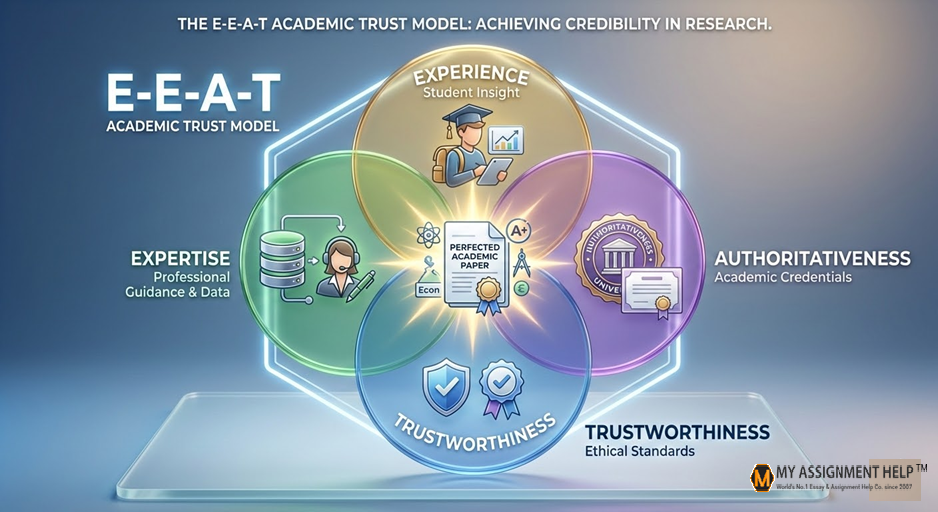
To combat this, the “Modern Student” uses a strategic mix of resources. They utilize university libraries for primary research but lean on professional academic consultants to help structure their findings into cohesive, high-scoring papers. This collaborative approach ensures that the final output meets the rigorous “E-E-A-T” (Experience, Expertise, Authoritativeness, and Trustworthiness) standards that both professors and search engines now demand.
Why Quality Over Quantity is Winning
In the past, students would try to write as much as possible, hoping to hit a word count. In 2026, clarity is the new currency. Academic supervisors are looking for “PEEL” paragraphs (Point, Evidence, Explanation, Link) that demonstrate a deep, nuanced understanding of the topic. This move toward “Lean Writing” is a direct result of the corporate world’s influence on academia—employers want graduates who can summarize a 100-page economic report into a two-page executive summary.
Ethical Use of Academic Support
There is a growing conversation around the “Responsible Use of AI” and professional services. The most successful students are those who use these tools not to bypass learning, but to enhance it. They use external solutions as a “blueprint” or a “mentor’s draft” to understand how a perfect paper should be structured, what sources should be cited, and how to maintain a professional, academic tone throughout.
Conclusion: The Future of the Economics Degree
The re-evaluation of study methods is a sign of a maturing academic environment. Economics is no longer a “static” subject; it is a living, breathing entity that changes with every political shift and technological breakthrough. Students who stick solely to the methods of twenty years ago find themselves left behind. By embracing hybrid support, focusing on data literacy, and prioritizing conceptual understanding over memorization, the modern economics student is better prepared for the professional world than ever before.
Frequently Asked Questions (FAQ)
1. Why is economics becoming more difficult for undergraduate students?
The subject is shifting from purely theoretical to highly technical, requiring students to master data science tools, coding (like R or Python), and complex mathematical modeling alongside traditional theory.
2. Is it common for students to use online assignment services?
Yes, in 2026, many students use professional services to manage heavy workloads and ensure their papers meet the high academic standards required for competitive job markets.
3. How can I improve my economics grades without burnout?
Focus on “active recall” and “spaced repetition” for theories, and don’t be afraid to use professional resources to help with structural formatting and complex data interpretation.
4. Does Google prioritize “Human-written” content in academic blogs?
Absolutely. Google’s latest updates emphasize “Helpful Content” that shows real expertise and experience, rather than generic, AI-generated fluff.
5. What is the most important skill for an economics student in 2026?
Analytical adaptability—the ability to look at a new set of data and determine which economic model best explains the current trend.
About The Author| Emma Jones
“I am an academic consultant and research documentation specialist with over eight years of experience helping students navigate the complexities of higher education. My work focuses on bridging the gap between theoretical curricula—particularly in high-stakes fields like economics and business—and real-world professional application.

Advisory vs Compliance: Which Path Leads to a Higher CPA Salary?

8 White Floor Tile Design Ideas for Modern Homes

Demolition Company in Dubai Safe & Professional Building Removal

Top 7 Data Science Courses for Job-Ready Analytics and AI Roles in 2026

SEO by HighSoftware99.com – Rank Higher Today

Latest Boys Fashion: Trends Every Young Man Should Follow
Advisory vs Compliance: Which Path Leads to a Higher CPA Salary?
8 White Floor Tile Design Ideas for Modern Homes
Demolition Company in Dubai Safe & Professional Building Removal
Top 7 Data Science Courses for Job-Ready Analytics and AI Roles in 2026
SEO by HighSoftware99.com – Rank Higher Today
-
Technology2 weeks ago
Top 7 Data Science Courses for Job-Ready Analytics and AI Roles in 2026
-
Technology2 weeks ago
SEO by HighSoftware99.com – Rank Higher Today
-
Lifestyle1 year ago
Latest Boys Fashion: Trends Every Young Man Should Follow
-
 Business6 months ago
Complete Beginner’s Guide to What Is CFD Trading in 2025
-
 Technology7 months ago
BaddieHub: The Ultimate Guide to the Trending Social Platform
-
Business3 weeks ago
Why Economics Students are Re-evaluating Traditional Study Methods in 2026
-
 Lifestyle2 months ago
Why Homeowners Prefer Readymade Aluminium Windows for Renovations
-
 Technology6 months ago
The Techno Tricks: Unlocking the Future with Cutting-Edge Innovation