
Technology
How to Create Stunning Wedding Videos with Video Editing Software?

Weddings are heartfelt journeys encased in laughter and love. The purpose of capturing them on camera is to preserve the spirit of the day, not only to record the event. A great wedding movie touches viewers’ feelings, makes them smile, and occasionally even brings them to tears!
But making a unique and unforgettable wedding film or video isn’t always as simple as it might appear. In other words, it’s not just as easy as focusing a camera and hitting the record button. It has a lot to do with the craft of storytelling. It’s in fact about transforming some typical wedding event into an engrossing story that touches every heart.
This guide (blog post) will teach you how you can create wedding films that people can never forget. You’ll discover useful tips here regardless of your level of editing experience or expertise. We’ll go over everything, from selecting the best video editing software to mastering transitions. You’ll know just how to make wedding films that seem like classic keepsakes at the end.
Choosing the Right Video Editing Software
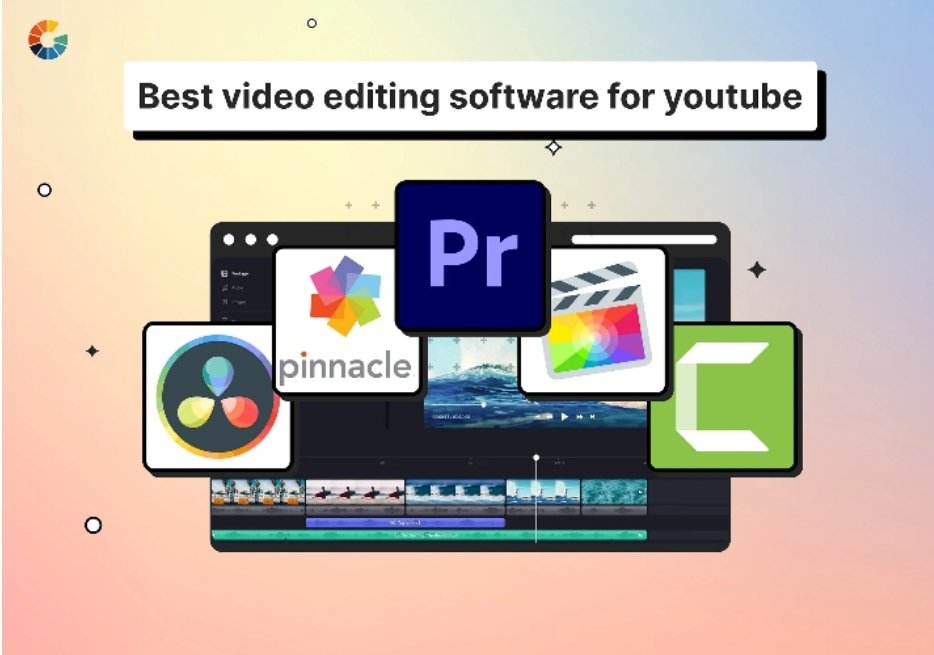
The foundation of a stunning wedding video is the software you choose. The best editing software for videos can simplify complex tasks and unlock your creativity. Here are some great options (or the best editing software for videos) that you can make a choice from:
Options For Beginners:
- Filmora: User-friendly and packed with fun effects
- iMovie: A go-to for Mac users. Simple but effective
- Movavi Video Editor: Great for learning the basics with minimal effort
Options For Experts or Professionals:
- Adobe Premiere Pro: Industry standard with endless editing features
- Final Cut Pro: Tailored for advanced Mac users
- DaVinci Resolve: Exceptional for color correction and sound editing
Try to pick out the best video editing software tool that suits your specific or unique needs. If you’re just starting, go for software that’s easy to learn. If you’re experienced, consider investing in tools that let you experiment and exploit your skills.
Organizing Your Footage
Keep in mind that good editing starts with good organization. A cluttered workspace often leads to confusion, missed clips, and a lot of wasted time.
How to Get Organized:
- You must first of all gather all your footage (or video clips) in one place
- Rename files to describe their content. For example, “Ceremony_Start” or “First_Dance”
- Create folders for categories such as “Prep,” “Ceremony,” and “Reception”
- Import your files into your editing software in an orderly way that leaves no room for confusion
Note: You’ll save valuable editing hours if you take a few additional minutes to arrange or organize everything you have.
Telling the Couple’s Unique & Beautiful Story
Wedding videos are not just ordinary recording pieces; they are the most beautiful and fascinating love stories. A well-structured video reflects the couple’s journey of love and togetherness.
Steps to Craft the Narrative:
- Start with a glimpse of pre-wedding moments (like you can show the bride and groom getting ready)
- Include the ceremony highlights (focus on vows, rings, and those stolen glances)
- Move to the reception (capture the speeches, dances, and joy-filled moments)
- End with a grand finale (an affectionate kiss of the couple, fireworks, or the happy couple driving away are great choices)
Note: Think about or imagine the greatest methods to add individuality to every wedding. Then, make an effort to highlight the same concept throughout the video.
Adding Pleasant-Sounding & Apt Music
It goes without saying that music sets the tone for your entire video. The right or suitable tracks elevate the emotions and create lasting impact.
Tips for Choosing Music:
- Use soft, romantic tracks for intimate moments
- Go for upbeat songs during the reception
- Match transitions to beats for added polish
Note: You can find royalty-free music on the internet to avoid copyright issues. And always make sure that the music you choose complements the visuals of your wedding video film.
Enhancing the Visuals for Fine Aesthetics
Adding a little creative flair might make your film even better. Using the best editing software for videos, you may apply great, eye-catching effects to improve the final product.
Enhancements That You May Consider:
- Transitions: Smooth cuts between scenes can keep the flow (of your film) natural
- Color Grading: Adjusting colors to give a cinematic or dreamy feel can do wonders
- Slow Motion: It can be perfect for emotional moments like the couple’s first kiss
- Stabilization: Fix shaky footage to make the film look flawless and professional
Note: Always keep in mind to use effects or enhancements sparingly and with caution. Over-the-top visual effects might take away from the story and ruin the movie’s true appeal.
Using Text Overlays
Text overlays add context and polish your film. They can make the video feel more personal and appealing.
Where to Use Text Overlays:
- Opening credits: Introduce the couple (bride and groom) and the wedding date
- Location tags: Highlight beautiful spots that are featured in the video
- Closing message: End with a thank-you note or a sweet, emotional quote
Note: Consider choosing clean, elegant fonts. Avoid fonts that clash with the wedding’s theme.
Finalizing Your Wedding Video Film
After editing, it’s time to export your masterpiece. This step ensures your video looks great on all devices.
Important Exporting Tips:
- Choose a common format such as MP4 for wide compatibility
- Select the highest resolution your footage allows (such as 1080p or 4K)
- Compress the file for sharing without losing quality
Note: Before sharing, watch the video film from the very start to finish. Look for any errors or spots that need fixing.
Pro Tips for Creating Stunning Wedding Videos
- Focus on the Details: Capture small, meaningful moments (a laugh, a hug, or a shared glance can speak volumes)
- Keep It Short: A highlight reel of 5–10 minutes will be ideal (too long, and viewers lose interest)
- Stick to a Theme: Whether elegant, fun, or dramatic, let your theme guide your choices
- Double-Check Everything: Back all your files up and save often, for you never know when a glitch might happen
- Add Personal Touches: Include clips of the wedding couple’s favorite moments or inside jokes
Conclusion
Creating stunning wedding videos requires heart, skill, and the right tools. With the best video editing software, you can turn raw footage into something magical and heartwarming. Follow the steps given in this guiding blog post to tell a story (within your wedding video film) that has the power to move everyone who watches it.
Keep in mind that weddings are about an abundance of love and joy. And let that idea shine through in every frame of your wedding video film. Start editing today and create memories that last forever!

As sustainability becomes a major focus for businesses worldwide, companies in the UAE are increasingly adopting advanced digital solutions to manage environmental responsibilities. Organizations are now expected to provide transparent and accurate reports on their carbon emissions, energy usage, and sustainability performance. This shift has increased the demand for greenhouse gas reporting software UAE solutions that help businesses simplify environmental reporting while meeting global ESG standards.
Corporate reporting is no longer limited to financial data alone. Investors, customers, regulators, and stakeholders now evaluate businesses based on their environmental and social impact as well. This is where modern sustainability tools and ESG reporting software UAE platforms play a critical role in helping organizations maintain transparency and accountability.
Understanding Greenhouse Gas Reporting
Greenhouse gas (GHG) reporting refers to the process of measuring, tracking, and documenting emissions produced by business activities. These emissions may come from manufacturing operations, transportation, electricity consumption, supply chains, or industrial processes.
Businesses in sectors such as construction, manufacturing, logistics, oil and gas, retail, and hospitality are under increasing pressure to monitor and reduce their carbon footprint. Accurate reporting helps organizations identify emission sources, improve operational efficiency, and align with international sustainability frameworks.
Using greenhouse gas reporting software UAE, companies can automate the collection and analysis of environmental data instead of relying on spreadsheets and manual calculations. This significantly improves accuracy and reduces reporting complexity.
Why Corporate Reporting Is Evolving
Corporate reporting has evolved rapidly over the past decade. Stakeholders now expect organizations to disclose sustainability metrics alongside financial performance. Governments and regulatory bodies are also introducing stricter environmental compliance requirements.
The UAE has demonstrated strong commitment toward sustainability through initiatives focused on clean energy, carbon reduction, and long-term environmental goals. As a result, businesses are increasingly investing in sustainability technologies to remain compliant and competitive.
Modern corporate reporting now includes:
- Carbon emissions data
- Energy consumption reports
- Waste management tracking
- Water usage analysis
- Sustainability performance metrics
- ESG disclosures
This growing demand for transparency has made ESG reporting software UAE an essential business tool for companies looking to streamline sustainability reporting processes.
Benefits of Greenhouse Gas Reporting Software
Improved Data Accuracy
Manual reporting processes often lead to errors, inconsistencies, and incomplete information. With greenhouse gas reporting software UAE, businesses can automate data collection from multiple departments and operational systems.
Automated calculations improve accuracy and ensure that sustainability reports are based on real-time and verified information.
Simplified Compliance
Environmental regulations are becoming more detailed and complex. Companies must comply with international standards such as the GHG Protocol, ISO sustainability standards, and regional environmental frameworks.
Using specialized software helps organizations generate reports that align with compliance requirements and sustainability frameworks without excessive manual effort.
Better Decision-Making
Advanced reporting software provides valuable insights into emission trends, operational inefficiencies, and sustainability risks. Businesses can use this information to make informed decisions regarding energy optimization, resource allocation, and carbon reduction strategies.
With accurate reporting tools, management teams gain a clearer understanding of their environmental impact.
Enhanced Transparency
Investors and stakeholders increasingly prefer businesses with transparent sustainability practices. Reliable environmental reporting improves trust and strengthens corporate reputation.
By using ESG reporting software UAE, companies can present structured and credible ESG reports that demonstrate accountability and long-term sustainability commitment.
Role of ESG Reporting Software in Sustainability Strategies
Environmental, Social, and Governance (ESG) reporting has become an essential part of corporate sustainability programs. Businesses are expected to disclose not only environmental performance but also governance practices and social impact initiatives.
Modern ESG reporting software UAE platforms help organizations manage all sustainability data from a centralized system. These platforms integrate financial and non-financial reporting into a unified framework.
Key features often include:
- Carbon accounting and emissions tracking
- ESG data management dashboards
- Automated sustainability reporting
- Audit-ready documentation
- Risk assessment tools
- Real-time analytics and KPI monitoring
These tools enable businesses to improve reporting efficiency while supporting broader sustainability goals.
Supporting UAE Sustainability Goals
The UAE has introduced ambitious sustainability and net-zero initiatives aimed at reducing carbon emissions and promoting clean energy adoption. Businesses across industries are expected to contribute toward these environmental objectives.
Implementing greenhouse gas reporting software UAE allows organizations to monitor their environmental performance more effectively and align with national sustainability strategies.
Companies that proactively adopt sustainability reporting technologies can gain several advantages, including:
- Improved regulatory readiness
- Enhanced investor confidence
- Better operational efficiency
- Stronger brand reputation
- Increased competitiveness in global markets
Organizations that fail to adapt may face increasing compliance challenges and reputational risks in the future.
Industry Applications of Greenhouse Gas Reporting Software
Many industries in the UAE are benefiting from digital sustainability reporting solutions.
Manufacturing
Manufacturers use reporting software to monitor energy consumption, industrial emissions, and waste management processes. This helps improve operational efficiency while reducing environmental impact.
Construction and Real Estate
Construction companies use sustainability reporting platforms to track emissions generated from building materials, transportation, and project operations. Real estate developers also use ESG reporting to support green building certifications.
Logistics and Transportation
Transportation businesses rely on greenhouse gas reporting software UAE to measure fuel consumption and carbon emissions across fleets and supply chains.
Hospitality and Retail
Hotels and retail organizations use sustainability reporting systems to monitor energy usage, waste reduction, and water conservation efforts.
The Future of Corporate Sustainability Reporting
Sustainability reporting will continue to evolve as governments and investors demand greater environmental accountability. Businesses are expected to provide more detailed, transparent, and data-driven sustainability disclosures.
Technologies such as artificial intelligence, automation, cloud computing, and advanced analytics are transforming the way organizations manage ESG reporting. Modern software solutions make it easier to collect data, generate reports, and identify sustainability improvement opportunities.
As sustainability expectations increase, investing in ESG reporting software UAE will become essential for companies seeking long-term growth and compliance.
Conclusion
Corporate reporting is undergoing a major transformation as sustainability becomes a central business priority. Companies in the UAE are increasingly adopting digital solutions to improve environmental transparency, manage carbon emissions, and comply with evolving regulations.
By implementing greenhouse gas reporting software UAE, businesses can automate emissions tracking, improve reporting accuracy, and support sustainability goals more effectively. At the same time, advanced ESG reporting software UAE platforms help organizations integrate environmental, social, and governance reporting into a unified and efficient framework.
As environmental accountability continues to shape global business practices, organizations that invest in modern sustainability reporting tools will be better positioned for future success, regulatory compliance, and stronger stakeholder trust.

In today’s rapidly evolving security landscape, organizations across industries are facing increasing challenges in protecting people, infrastructure, and sensitive assets. From airports and government facilities to shopping malls, logistics hubs, and commercial buildings, security threats have become more advanced and unpredictable. As a result, modern security systems are now relying on intelligent technologies that can identify potential dangers quickly and accurately. Among these technologies, the Explosives Trace Detector has emerged as a critical component of smart security systems.
An Explosives Trace Detector is designed to identify tiny traces of explosive materials on surfaces, luggage, cargo, clothing, or personal belongings. These systems play a vital role in preventing dangerous incidents by detecting threats before they escalate. Combined with advanced surveillance technologies and a reliable Baggage Scanner, these systems create a powerful security infrastructure capable of handling modern security demands.
Understanding the Role of Explosives Detection Technology
Security threats involving explosives can cause severe damage to public safety, transportation systems, and national infrastructure. Traditional manual inspections are no longer sufficient in high-risk environments because they are time-consuming and prone to human error. This is where the Explosives Trace Detector becomes highly valuable.
The technology works by analyzing microscopic particles or vapor residues left behind by explosive substances. Even if a person attempts to conceal dangerous materials, the detector can identify traces through sophisticated chemical analysis. This high level of sensitivity allows security teams to act immediately and prevent potential threats before they become critical situations.
Modern systems are designed for fast and accurate screening, making them suitable for busy locations where efficiency and safety must work together. Airports, border checkpoints, railway stations, and defense facilities increasingly depend on these systems to strengthen their security operations.
Integration with Smart Security Infrastructure
Smart security is no longer limited to CCTV cameras and alarm systems. Today’s advanced security environments integrate multiple technologies into a centralized platform for real-time monitoring and rapid response. The combination of an Explosives Trace Detector and a high-performance Baggage Scanner creates a comprehensive screening solution that improves both detection accuracy and operational efficiency.
A Baggage Scanner helps security personnel inspect the internal contents of bags, parcels, and luggage using X-ray imaging technology. While the scanner identifies suspicious shapes and concealed objects, the explosives detector verifies whether explosive residues are present. Together, these technologies significantly reduce the chances of dangerous items passing through security checkpoints unnoticed.
This integrated approach is especially important in transportation hubs, where thousands of passengers and bags are processed daily. Automated screening systems reduce delays while maintaining high levels of protection, helping organizations balance convenience with security.
Increasing Demand Across Industries
The use of Explosives Trace Detector systems is expanding beyond airports and military installations. Today, many industries are adopting advanced security technologies to address growing concerns about public safety and asset protection.
Transportation and Aviation
Airports remain one of the largest users of explosives detection systems. Aviation authorities around the world have implemented strict screening protocols to prevent security breaches. A combination of a Baggage Scanner and explosives detection technology helps ensure that passengers, luggage, and cargo are screened effectively before boarding.
Railway stations, metro systems, and seaports are also investing heavily in smart screening solutions. High passenger traffic in these environments requires fast and reliable inspection systems that can operate continuously without disrupting operations.
Government and Defense Facilities
Government buildings, embassies, and military installations require advanced protection against potential attacks. The Explosives Trace Detector provides an additional layer of defense by enabling security teams to identify explosive substances quickly and accurately.
Portable detectors are especially useful in defense operations because they allow rapid screening in remote or temporary locations. Security forces can use handheld systems for vehicle inspections, perimeter checks, and emergency threat assessments.
Commercial and Public Spaces
Shopping malls, hotels, stadiums, exhibition centers, and event venues are increasingly implementing smart security systems to protect visitors. Public spaces with large crowds are considered vulnerable targets, making proactive threat detection essential.
The integration of a Baggage Scanner at entry points, combined with explosives trace detection systems, helps security personnel identify suspicious items before they enter crowded areas. This improves visitor confidence and supports safer public environments.
Advantages of Modern Explosives Detection Systems
Modern Explosives Trace Detector systems offer several benefits that make them essential for smart security operations.
High Detection Accuracy
Advanced sensors and analytical technologies enable these systems to identify even the smallest traces of explosive materials. This high level of accuracy minimizes false alarms while improving overall security performance.
Fast Screening Process
Speed is critical in high-traffic environments such as airports and transportation terminals. Modern detectors provide rapid analysis within seconds, allowing security teams to process individuals and baggage efficiently.
Improved Operational Efficiency
When integrated with a Baggage Scanner, explosives detection systems streamline the overall inspection process. Automated screening reduces manual workload and enables security staff to focus on critical threats.
Enhanced Public Safety
The primary goal of any security system is to protect lives and infrastructure. By identifying threats early, explosives detection technology helps prevent dangerous incidents and enhances public confidence in secure environments.
Future Trends in Smart Security
As security threats continue to evolve, the future of explosives detection technology will focus on greater automation, artificial intelligence, and real-time analytics. AI-powered systems are expected to improve detection accuracy by analyzing patterns and identifying suspicious behavior more effectively.
Cloud-based monitoring platforms will also allow security teams to manage multiple locations from centralized command centers. Data collected from Explosives Trace Detector systems and Baggage Scanner units can be analyzed to improve threat prediction and response strategies.
Another important trend is the development of portable and contactless screening systems. These innovations will make security operations faster, safer, and more convenient for both operators and the public.
Conclusion
The growing complexity of modern security threats has made advanced detection technologies more important than ever. The Explosives Trace Detector has become a vital part of smart security systems by providing fast, accurate, and reliable identification of explosive materials. When combined with a powerful Baggage Scanner, organizations can create a comprehensive security infrastructure capable of protecting people, assets, and critical facilities.
From airports and transportation networks to government facilities and public venues, the demand for intelligent screening solutions continues to rise. As technology advances further, explosives detection systems will play an even greater role in shaping the future of smart security and ensuring safer environments worldwide.
Technology
The Future of Search Visibility: Why Generative Engine SEO Services Are Redefining Digital Growth


The way people search for information online is undergoing a profound transformation. Traditional search engines are no longer the only gatekeepers of information. Instead, generative AI systems—capable of producing conversational, context-aware answers—are rapidly reshaping how users discover content. In this evolving landscape, businesses must rethink their digital strategies. This is where generative engine SEO services come into play, offering a powerful new approach to visibility, authority, and engagement.
Alongside this shift, answer engine optimization services are emerging as a complementary strategy, ensuring that brands are not just found—but featured as trusted answers in AI-driven environments. Together, these approaches represent the next frontier of search optimization.
Understanding Generative Engine SEO Services
Generative engine SEO services focus on optimizing content for AI-powered platforms that generate responses instead of simply listing links. These engines analyze vast datasets, interpret user intent, and produce direct answers. Unlike traditional SEO, where ranking on page one is the goal, generative SEO aims to make your content part of the answer itself.
This requires a shift in strategy. It’s no longer enough to target keywords and backlinks. Instead, content must be:
- Contextually rich
- Factually accurate
- Structured for AI comprehension
- Written with authority and clarity
Generative engines prioritize content that demonstrates expertise, relevance, and trustworthiness. Businesses that adapt to this model gain a significant advantage, as their content becomes embedded within AI-generated responses.
The Rise of Answer Engine Optimization Services
While generative engine SEO focuses on AI-generated responses broadly, answer engine optimization services hone in on a specific goal: becoming the definitive answer to user queries.
Answer engines operate on the principle of delivering concise, accurate responses. These responses often appear in voice search results, AI chat interfaces, and featured snippets. To succeed here, content must be:
- Direct and precise
- Well-structured with clear headings
- Supported by credible data
- Optimized for conversational queries
Answer engine optimization ensures that your content is not just visible but selected as the most reliable source of information.
Why Traditional SEO Is No Longer Enough
Traditional SEO strategies—such as keyword density, link building, and meta tags—still matter, but they are no longer sufficient on their own. Generative AI systems evaluate content differently. They look beyond surface-level optimization and assess deeper qualities such as:
- Semantic relevance
- Content depth
- User intent alignment
- Authority signals
For example, a page stuffed with keywords but lacking meaningful insights is unlikely to be referenced by a generative engine. On the other hand, a well-researched article that thoroughly addresses a topic has a much higher chance of being included in AI-generated answers.
This shift demands a more holistic approach to content creation and optimization.
Key Components of Generative Engine SEO Services
To succeed in this new environment, businesses must focus on several critical components:
1. Intent-Driven Content Creation
Understanding what users truly want is essential. Generative engines prioritize content that aligns with user intent rather than just matching keywords. This means creating content that answers questions, solves problems, and provides value.
2. Structured Data and Formatting
Clear structure helps AI systems interpret content more effectively. This includes:
- Logical headings and subheadings
- Bullet points and lists
- Concise paragraphs
- Schema markup where applicable
Well-structured content is more likely to be extracted and used in AI-generated responses.
3. Authority and Expertise
Content must demonstrate credibility. This can be achieved through:
- Accurate information
- Citations and references
- Thought leadership
- Consistent publishing
Generative engines favor sources that are seen as trustworthy and authoritative.
4. Conversational Optimization
As users increasingly interact with AI through natural language, content must reflect conversational patterns. This includes:
- Answering questions directly
- Using natural phrasing
- Anticipating follow-up queries
This approach aligns closely with answer engine optimization services.
How Answer Engine Optimization Complements Generative SEO
Answer engine optimization services play a crucial role in enhancing generative SEO efforts. While generative SEO focuses on broader visibility within AI systems, answer optimization ensures that your content is selected for specific queries.
Here’s how they work together:
- Generative SEO builds authority and depth
- Answer optimization delivers precision and clarity
For example, a comprehensive guide on a topic may establish your authority, while a concise, well-structured section within that guide could be extracted as a direct answer.
This synergy increases the likelihood of your content being featured across multiple AI-driven platforms.
Benefits of Investing in Generative Engine SEO Services
Businesses that embrace generative engine SEO services can unlock several advantages:
Enhanced Visibility
Instead of competing for rankings, your content becomes part of the answer itself, increasing exposure.
Higher Engagement
AI-generated responses often lead users to trusted sources. Being included in these responses can drive more meaningful interactions.
Future-Proof Strategy
As AI continues to evolve, businesses that adopt generative SEO early will be better positioned for long-term success.
Competitive Advantage
Many businesses are still focused on traditional SEO. Adopting generative and answer optimization strategies gives you an edge.
Challenges and Considerations
While the opportunities are significant, there are also challenges to consider:
Constant Evolution
AI systems are continuously improving, which means strategies must adapt regularly.
Content Quality Demands
The bar for quality is higher than ever. Thin or generic content will not perform well.
Measurement Complexity
Tracking success in generative environments can be more complex than traditional SEO metrics.
Despite these challenges, the benefits far outweigh the risks for businesses willing to invest in the right approach.
Best Practices for Success
To maximize the impact of generative engine SEO services and answer engine optimization services, consider the following best practices:
Focus on Value
Create content that genuinely helps users. This is the foundation of both generative and answer optimization.
Optimize for Questions
Identify common questions in your niche and provide clear, concise answers.
Maintain Consistency
Regularly update and publish content to build authority over time.
Leverage Data
Use analytics to understand user behavior and refine your strategy.
Collaborate with Experts
Working with professionals who specialize in generative and answer optimization can accelerate results.
The Future of Search: A New Paradigm
The shift toward generative AI and answer engines represents a fundamental change in how information is accessed and consumed. Search is no longer just about finding links—it’s about receiving answers.
In this new paradigm, businesses must rethink their approach to SEO. Generative engine SEO services and answer engine optimization services are not just trends—they are essential components of a modern digital strategy.
As AI continues to shape the future of search, those who adapt will thrive. Those who don’t risk being left behind.
Conclusion
The digital landscape is evolving at an unprecedented pace. Generative AI is transforming how users interact with information, and traditional SEO alone is no longer enough to stay competitive.
By investing in generative engine SEO services, businesses can position themselves at the forefront of this transformation. When combined with answer engine optimization services, the result is a powerful strategy that ensures visibility, authority, and relevance in an AI-driven world.
The future of search belongs to those who can provide the best answers. The question is—will your business be one of them?

Professional Curtain Cleaning & Sofa Cleaning in Singapore by Duo Nini

How Loan Software for Lenders Simplifies Loan Management

The Role of Greenhouse Gas Reporting Software UAE in Corporate Reporting

Complete Beginner’s Guide to What Is CFD Trading in 2025

Latest Boys Fashion: Trends Every Young Man Should Follow

Top 7 Data Science Courses for Job-Ready Analytics and AI Roles in 2026
Professional Curtain Cleaning & Sofa Cleaning in Singapore by Duo Nini
How Loan Software for Lenders Simplifies Loan Management
The Role of Greenhouse Gas Reporting Software UAE in Corporate Reporting

The Growing Importance of Explosives Trace Detector Systems in Smart Security

Microsoft Dynamics 365 Deployment Solutions for Businesses in UAE
-
Business12 months ago
Complete Beginner’s Guide to What Is CFD Trading in 2025
-
Lifestyle2 years ago
Latest Boys Fashion: Trends Every Young Man Should Follow
-
Technology7 months ago
Top 7 Data Science Courses for Job-Ready Analytics and AI Roles in 2026
-
 Business1 year ago
The 5 Best AI Tools for Image & Video Creation in 2025
-
 Business8 months ago
Data Science Classes for Beginners with No Coding Background
-
 Technology1 year ago
The Techno Tricks: Unlocking the Future with Cutting-Edge Innovation
-
 Technology7 months ago
SEO by HighSoftware99.com – Rank Higher Today
-
 Technology8 months ago
Renweb School Management Guide