
Business
Cisco Access Points vs. Traditional Routers: What’s the Difference?

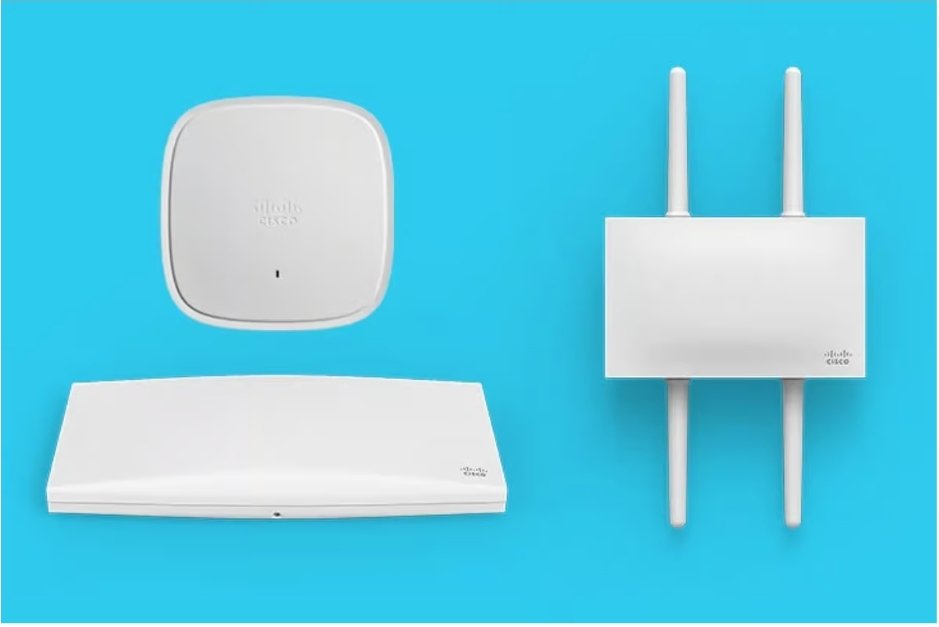
When setting up a business or enterprise network, one common question is whether to use a traditional router or a Cisco access point. While both devices are essential for networking, they serve different functions and impact performance, scalability, and security in distinct ways. Understanding these differences is key to selecting the best option for your organization.
1. What is a Traditional Router?
A traditional router is a device that connects multiple networks and directs data between them. It typically includes a built-in Wi-Fi module, Ethernet ports for wired connections, and basic firewall and security features. Traditional routers are commonly used in homes and small offices where a single device can manage both routing and Wi-Fi needs.
Traditional routers are suitable for environments with low to moderate user demand, providing internet access with minimal network customization. However, they may struggle to support multiple devices efficiently in high-traffic environments.
2. What is a Cisco Access Point?
A Cisco access point extends a network’s wireless coverage and connects multiple devices to a wired network without requiring physical cables. Unlike traditional routers, access points do not route traffic between networks but instead enhance Wi-Fi availability and performance.
Cisco access points are designed for enterprise-grade wireless connectivity. They support many users simultaneously without compromising speed and provide seamless network expansion by allowing multiple APs to work together. Additionally, Cisco APs offer advanced security features and cloud-based management, making them ideal for businesses that require reliable and scalable Wi-Fi solutions.
3. Key Differences: Cisco Access Points vs. Traditional Routers
Functionality and Purpose
A traditional router manages internet traffic and provides Wi-Fi access within a limited area. It serves as the central hub for both wired and wireless connections. In contrast, a Cisco access point is designed to extend and enhance an existing network, ensuring strong and consistent Wi-Fi coverage across larger spaces.
Scalability and Coverage
Traditional routers have limited scalability and are best suited for small offices or homes. As the number of connected devices increases, performance may decline. Cisco access points, on the other hand, are highly scalable. Businesses can deploy multiple APs to cover large areas, ensuring seamless connectivity across offices, campuses, and warehouses.
Performance and User Capacity
Traditional routers are built for low to moderate network loads and may struggle in high-density environments. Cisco access points, particularly those with Wi-Fi 6 technology, provide enterprise-grade performance, allowing hundreds or even thousands of devices to connect without congestion.
Security Features
Security is another significant distinction. While traditional routers offer basic firewall protection and WPA encryption, Cisco access points integrate advanced security features such as WPA3 encryption, Cisco Identity Services Engine (ISE), and AI-driven threat detection. These features help businesses protect their networks from cyber threats and unauthorized access.
Network Management
Traditional routers typically rely on local management, requiring manual configuration and troubleshooting. Cisco access points, especially those in the Meraki MR Series and Catalyst 9100 Series, support cloud-based and AI-powered network management. IT teams can monitor and optimize network performance remotely, reducing downtime and improving efficiency.
This post was written by a professional at Link-Us Online. At Link-Us Online, we understand the power of networking and its potential to improve the efficiency of your business. Our team empowers users to discover and acquire high-quality networking hardware from a diverse range of suppliers. We offer a range of industry-leading solutions from top brands such as Cisco, Meraki, HPE, Juniper, APC, Fortinet, and Ubiquiti. Whether you’re a small business owner seeking reliable equipment for your expanding network or someone in the purchasing department working for universities, real estate management companies, or local governments hunting for specific gear, Link-Us Online is your dedicated ally. Contact us if you are looking to buy networking equipment!


A clean home is not just about sparkling floors and dust-free shelves. Soft furnishings such as curtains and sofas play an equally important role in creating a comfortable and healthy living environment. Over time, they accumulate dust, allergens, bacteria, pet dander, body oils, and unpleasant odours that regular household cleaning simply cannot remove. At Duo Nini, we provide professional curtain cleaning service and sofa cleaning solutions that help homeowners and businesses maintain cleaner, fresher, and healthier indoor spaces.
As one of Singapore’s most trusted cleaning specialists, Duo Nini has built a strong reputation for delivering high-quality cleaning services backed by experienced technicians, professional equipment, and outstanding customer service. Whether you need routine maintenance or a deep clean before moving house, our team is committed to providing results that exceed expectations.
Our professional curtain cleaning service is designed to remove years of accumulated dust and contaminants while preserving the quality of your curtains. Curtains act like large air filters, trapping airborne particles from open windows, air conditioning systems, cooking fumes, and everyday household activities. Over time, these particles become deeply embedded within the fabric, affecting both appearance and indoor air quality.
At Duo Nini, every curtain cleaning project begins with a careful assessment of the curtain material, level of soiling, and cleaning requirements. We offer both on-site curtain steam cleaning and off-site curtain dry cleaning, allowing us to recommend the safest and most effective solution for every fabric type.
Our on-site steam cleaning service is ideal for routine maintenance and homes that require minimal disruption. Using commercial-grade high-temperature steam equipment, we effectively remove dust, bacteria, allergens, and odours while refreshing the curtain fabric. Since the curtains remain hanging throughout the process, homeowners enjoy a fast and convenient cleaning experience.
For delicate fabrics, premium drapes, or heavily soiled curtains, our off-site dry cleaning service provides a more thorough treatment. Our technicians carefully remove the curtains, transport them to our specialised cleaning facility, professionally clean them using fabric-appropriate methods, inspect them for quality, and reinstall them once the process is complete. This ensures your curtains are returned clean, fresh, and well cared for.
Alongside our curtain expertise, Duo Nini also provides professional sofa cleaning services for fabric, leather, and upholstered furniture. Sofas are among the most
frequently used pieces of furniture in any home, making them susceptible to stains, food spills, dust mites, pet hair, bacteria, and accumulated dirt.
Our sofa cleaning process combines industrial-grade vacuuming, fabric-safe cleaning solutions, deep extraction, and high-temperature steam cleaning to remove embedded dirt while helping restore the appearance of the upholstery. For leather sofas, we use specialised cleaning and conditioning products that gently remove dirt while preserving the leather’s natural texture and finish. Every cleaning method is carefully selected to suit the specific material, ensuring safe and effective results.
Beyond residential properties, Duo Nini also serves offices, hotels, schools, retail outlets, restaurants, and commercial buildings across Singapore. Our experienced team is equipped to manage projects of every size while maintaining the same high standards of workmanship and professionalism that our customers have come to expect.
What truly sets Duo Nini apart is our dedication to customer satisfaction. From your initial enquiry to the completion of every project, we strive to provide prompt communication, transparent pricing, punctual service, and meticulous attention to detail. Our goal is not simply to clean your furnishings, but to extend their lifespan and create a healthier environment for your family, employees, or customers.
If you are looking for a reliable curtain cleaning service or professional sofa cleaning in Singapore, Duo Nini is ready to help. With years of industry experience, skilled technicians, and a commitment to quality, we continue to be the trusted choice for homeowners and businesses seeking exceptional cleaning services. Contact Duo Nini today and experience the difference that professional care can make for your curtains, sofas, and indoor living spaces.


Managing loans manually has become increasingly difficult in today’s fast-paced financial environment. Lenders are expected to process applications quickly, maintain accurate borrower records, track repayments, ensure compliance, and reduce risks—all while delivering a seamless customer experience. This is where loan software for lenders plays a vital role.
Modern lending institutions, NBFCs, banks, fintech companies, and private lenders are turning to digital solutions to automate and simplify their operations. From loan origination to repayment tracking and recovery management, advanced software solutions streamline every stage of the lending cycle. Combined with powerful Collection Software, these systems help lenders improve efficiency, reduce manual errors, and maximize profitability.
The Growing Need for Loan Automation
Traditional loan management methods often involve spreadsheets, paperwork, and disconnected systems. These outdated processes can lead to delays, data inaccuracies, poor communication, and compliance issues. As customer expectations continue to rise, lenders need smarter technology to stay competitive.
This is why many financial organizations are investing in loan software for lenders. The software automates repetitive tasks, centralizes borrower information, and enables lenders to manage multiple loan portfolios efficiently. Instead of relying on manual calculations and paperwork, lenders can focus on improving customer service and growing their business.
Simplified Loan Origination Process
One of the biggest advantages of using loan software for lenders is the automation of the loan origination process. The software allows borrowers to submit applications online, upload documents digitally, and receive faster approvals.
The system automatically verifies borrower information, performs credit assessments, and calculates loan eligibility. This significantly reduces processing time and minimizes human intervention. Lenders can review applications in real time and make faster decisions, improving customer satisfaction.
Automated workflows also ensure that every application follows a standardized process, reducing the risk of errors and inconsistencies.
Centralized Borrower Management
Managing borrower data manually can become overwhelming, especially for lenders handling large loan volumes. Modern loan software for lenders provides a centralized platform where all borrower information is stored securely in one place.
Lenders can access customer profiles, repayment schedules, communication history, loan agreements, and financial documents instantly. This improves transparency and enables staff members to provide faster support to borrowers.
A centralized system also enhances collaboration between departments, ensuring that loan officers, collection teams, and management have access to accurate and updated information.
Automated Repayment Tracking
Tracking repayments manually is time-consuming and prone to mistakes. Missed payments, delayed updates, and incorrect calculations can negatively impact both lenders and borrowers.
With loan software for lenders, repayment tracking becomes fully automated. The system generates repayment schedules, calculates interest, tracks due dates, and updates payment statuses automatically.
Borrowers receive reminders through SMS, email, or mobile notifications before payment deadlines. Automated reminders reduce missed payments and improve collection rates.
The software also allows lenders to track overdue accounts in real time and identify high-risk borrowers quickly.
Improved Collections with Collection Software
Recovering overdue payments is one of the most challenging aspects of loan management. Manual collection processes often lead to inefficiencies, communication gaps, and lower recovery rates.
This is where advanced Collection Software becomes extremely valuable. Integrated Collection Software helps lenders automate follow-ups, prioritize delinquent accounts, and improve recovery performance.
The system can automatically send payment reminders, escalation notices, and settlement offers based on predefined rules. Collection agents can track borrower interactions, schedule follow-ups, and monitor recovery progress from a single dashboard.
By using Collection Software lenders can reduce collection costs, improve customer communication, and recover payments more efficiently without creating negative borrower experiences.
Better Compliance and Risk Management
Regulatory compliance is critical in the lending industry. Financial institutions must follow strict guidelines related to data security, reporting, customer verification, and lending practices.
Modern loan software for lenders helps organizations maintain compliance by automating documentation, audit trails, and reporting processes. The software ensures that all borrower information is stored securely and that every transaction is properly recorded.
Risk management tools within the system also help lenders identify potential defaults early. Advanced analytics and credit scoring features allow lenders to assess borrower risk more accurately before approving loans.
This reduces the likelihood of bad debts and improves overall portfolio quality.
Enhanced Customer Experience
Customer experience plays a major role in the success of any lending business. Borrowers today expect quick approvals, transparent communication, and convenient payment options.
Using loan software for lenders, organizations can provide a seamless digital experience from application to repayment. Borrowers can apply online, upload documents digitally, view loan details, and make payments through multiple channels.
Automated communication keeps borrowers informed throughout the loan lifecycle. Faster responses and transparent processes help build trust and improve customer retention.
Integrated Collection Software also ensures that collection activities remain professional and organized, reducing borrower frustration during repayment follow-ups.
Real-Time Reporting and Analytics
Accurate reporting is essential for making informed business decisions. Manual reporting methods often take time and may contain inaccuracies.
Modern loan software for lenders offers real-time dashboards and detailed analytics that provide insights into loan performance, repayment trends, overdue accounts, and collection efficiency.
Lenders can monitor key performance indicators, evaluate portfolio health, and identify areas for improvement instantly. Data-driven insights help businesses make smarter lending decisions and improve operational efficiency.
Reports generated by the software also support compliance audits and management reviews.
Scalability for Growing Lending Businesses
As lending businesses grow, managing larger loan portfolios manually becomes increasingly difficult. Expanding operations without the right technology can lead to operational bottlenecks and service delays.
Scalable loan software for lenders allows businesses to handle increasing loan volumes efficiently without significantly increasing operational costs. Whether managing personal loans, business loans, vehicle loans, or microfinance lending, the software adapts to changing business needs.
Integrated Collection Software also scales with business growth, enabling lenders to manage larger recovery operations effectively.
Conclusion
The lending industry is rapidly evolving, and digital transformation has become essential for success. Implementing reliable loan software for lenders enables financial institutions to automate operations, reduce manual workloads, improve compliance, and deliver better customer experiences.
From loan origination and repayment tracking to reporting and collections, the software simplifies every stage of loan management. When combined with advanced Collection Software, lenders can improve recovery rates, reduce operational costs, and strengthen borrower relationships.
As competition in the financial sector continues to grow, adopting modern lending technology is no longer optional—it is a strategic necessity for lenders looking to improve efficiency, profitability, and long-term growth.

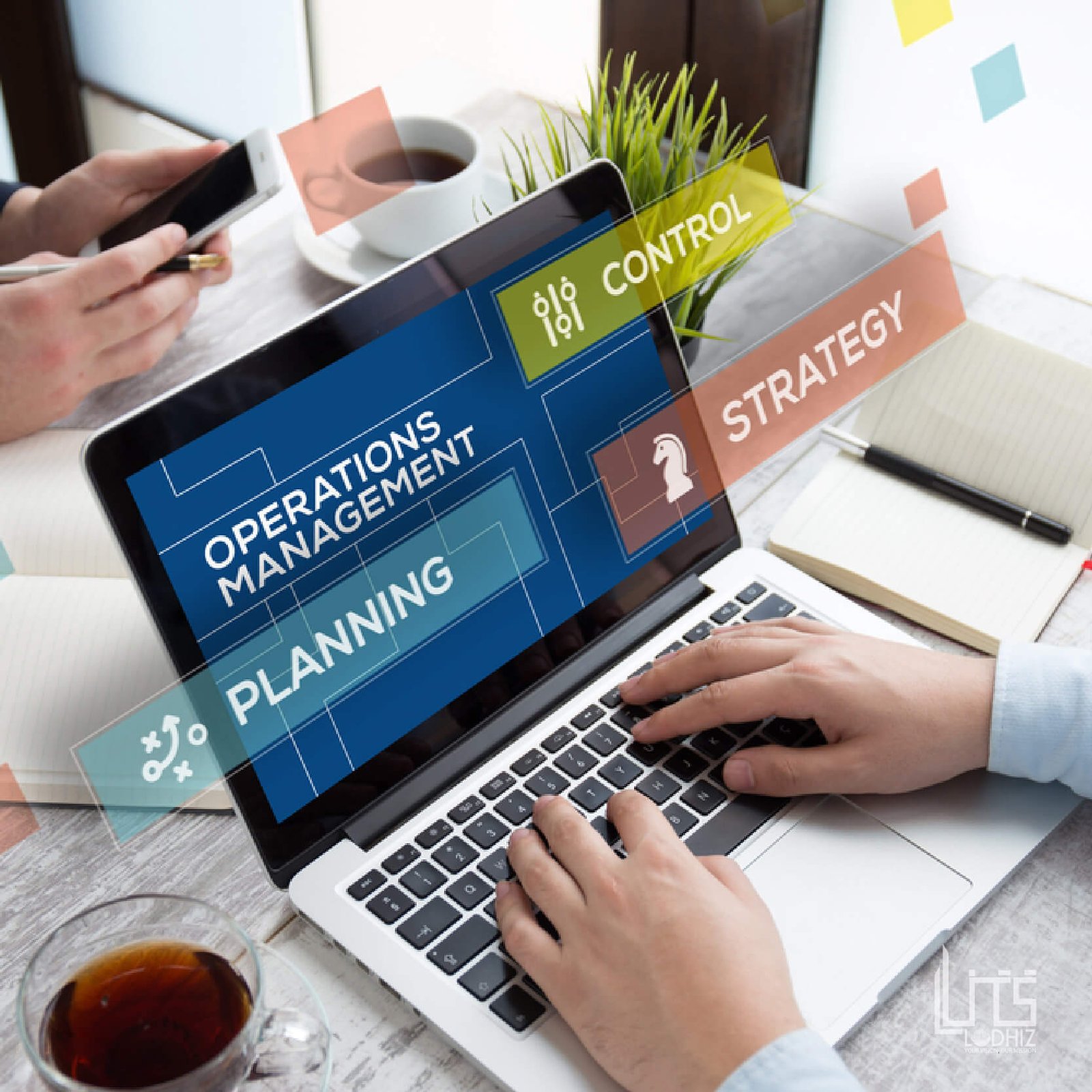
In today’s digitally driven marketplace, businesses are constantly searching for smarter ways to improve efficiency, strengthen customer engagement, and make informed business decisions. One of the most effective strategies for achieving these goals is implementing Microsoft Dynamics 365. This cloud-powered platform combines enterprise resource planning (ERP) and customer relationship management (CRM) functionalities into a single integrated solution that supports business growth and operational excellence.
A professionally managed Microsoft Dynamics 365 deployment enables organizations to automate processes, centralize data management, and gain real-time visibility across departments. Whether operating in retail, finance, healthcare, logistics, or manufacturing, businesses can customize the platform to meet their operational and industry-specific requirements through reliable dynamic service solutions.
Understanding Microsoft Dynamics 365 Deployment
Microsoft Dynamics 365 deployment is the process of implementing, configuring, integrating, and customizing Dynamics applications within an organization’s technology ecosystem. The objective is to align the platform with business operations while improving productivity and collaboration.
The implementation process generally includes:
- Business process evaluation
- Solution planning and architecture
- System configuration and customization
- Data migration and validation
- Integration with existing applications
- Employee training and post-deployment support
A structured deployment strategy minimizes operational disruptions and helps organizations transition smoothly to the new system.
Why Businesses Prefer Microsoft Dynamics 365
Companies across multiple industries choose Microsoft Dynamics 365 because it delivers flexibility, scalability, and centralized operational management.
Unified Business Operations
Dynamics 365 connects core business functions such as finance, sales, procurement, inventory, and customer service within one platform. This integration eliminates information silos and improves communication across departments.
Real-Time Insights and Reporting
Advanced dashboards and analytics provide real-time visibility into operational performance, helping decision-makers respond quickly to business challenges and opportunities.
Cloud Accessibility
As a cloud-based platform, Microsoft Dynamics 365 enables employees to access critical business information securely from any location, supporting remote and hybrid work models.
Flexible and Scalable Infrastructure
The platform can scale according to organizational growth, making it suitable for both small businesses and large enterprises.
Advanced Security and Compliance
Built-in security controls and compliance capabilities help businesses protect sensitive data while meeting industry regulations and standards.
Major Phases of Microsoft Dynamics 365 Implementation
A successful implementation requires careful planning and execution across several stages.
1. Business Analysis and Requirement Gathering
The first phase focuses on understanding existing workflows, operational challenges, and business objectives.
This process includes:
- Identifying inefficiencies in current operations
- Defining implementation goals
- Reviewing departmental workflows
- Determining reporting and compliance needs
- Evaluating integration requirements
A strong foundation during this stage helps ensure long-term implementation success.
2. Solution Planning and System Design
Once business requirements are finalized, implementation specialists design a system architecture that aligns with organizational processes.
This phase generally involves:
- Selecting appropriate Dynamics 365 modules
- Designing workflows and automation structures
- Planning integrations with third-party applications
- Establishing project timelines and milestones
Detailed planning reduces risks and ensures smoother deployment.
3. Configuration and Customization
Every organization has unique operational requirements, making customization an important part of the implementation process.
Customization may include:
- Automated approval workflows
- Role-based dashboards and reports
- Custom business logic and automation
- Industry-specific modules and functionalities
- Personalized reporting structures
These enhancements help businesses maximize platform usability and efficiency while supporting long-term digital transformation goals through advanced dynamic service solutions.
4. Data Migration and Integration
Migrating data from legacy systems into Dynamics 365 is a critical stage that directly impacts operational continuity.
The migration process typically includes:
- Cleaning and validating business data
- Removing duplicate or outdated records
- Mapping information to new system structures
- Verifying data integrity and accuracy
- Integrating with external applications and databases
Successful migration ensures accurate reporting and uninterrupted business operations.
5. Testing and Quality Validation
Before launching the system, thorough testing is conducted to ensure all functionalities operate correctly.
Testing procedures often include:
- Functional testing
- Security and access testing
- Integration testing
- Performance validation
- User acceptance testing (UAT)
This stage helps identify and resolve potential issues before the system goes live.
6. User Training and Deployment Support
Employee training is essential for improving adoption and maximizing productivity after deployment.
Training programs usually cover:
- System navigation and workflows
- Data entry and reporting functions
- Troubleshooting common issues
- Best practices for daily operations
Post-deployment support and continuous dynamic service solutions help organizations maintain stability during the transition phase.
Advantages of Microsoft Dynamics 365 Implementation
Businesses that implement Microsoft Dynamics 365 experience significant operational and strategic improvements.
Greater Operational Efficiency
Automation reduces repetitive tasks and streamlines workflows across departments.
Improved Business Decisions
Real-time analytics and centralized data enable faster and more informed decision-making.
Enhanced Customer Engagement
Integrated CRM capabilities support personalized customer interactions and stronger relationship management.
Increased Employee Productivity
Centralized access to information improves collaboration and reduces operational delays.
Reduced Infrastructure Costs
Cloud-based deployment lowers hardware maintenance and IT infrastructure expenses.
Common Challenges During Dynamics 365 Implementation
Despite its advantages, organizations may encounter implementation challenges if planning and execution are inadequate.
Common issues include:
- Data migration inconsistencies
- Integration complications with legacy systems
- Employee resistance to change
- Insufficient user training
- Budget and timeline management challenges
Working with experienced implementation professionals helps businesses avoid these obstacles and maintain project efficiency.
Best Practices for Successful Dynamics 365 Deployment
Organizations can improve implementation outcomes by following proven deployment strategies.
Define Clear Project Goals
Establish measurable business objectives before beginning the implementation process.
Work with an Experienced Partner
Choose a certified implementation provider with industry-specific expertise and a proven track record in delivering dynamic service solutions.
Implement in Phases
A phased rollout minimizes risks and allows organizations to adapt gradually.
Prioritize Employee Adoption
Comprehensive training and support improve user confidence and long-term system adoption.
Continuously Monitor Performance
Regular system evaluations help identify opportunities for optimization and improvement.
Emerging Trends in Microsoft Dynamics 365
Modern Microsoft Dynamics 365 solutions continue to evolve through advancements in automation, artificial intelligence, and cloud technologies.
Key trends shaping the future include:
- AI-powered business intelligence
- Predictive analytics and forecasting
- Robotic process automation (RPA)
- Integration with Microsoft Copilot technologies
- Advanced cloud-based cybersecurity features
- Low-code and no-code development tools
These innovations help organizations become more agile, productive, and responsive to changing market conditions.
Conclusion
Microsoft Dynamics 365 implementation is a valuable investment for organizations seeking digital transformation and long-term operational growth. By integrating business functions into a centralized and intelligent platform, companies can improve efficiency, strengthen customer relationships, and make more informed decisions.
With strategic planning, expert implementation support, and ongoing dynamic service solutions, Microsoft Dynamics 365 becomes a powerful foundation for innovation, scalability, and sustainable business success in today’s competitive environment.

Professional Curtain Cleaning & Sofa Cleaning in Singapore by Duo Nini

How Loan Software for Lenders Simplifies Loan Management

The Role of Greenhouse Gas Reporting Software UAE in Corporate Reporting

Complete Beginner’s Guide to What Is CFD Trading in 2025

Latest Boys Fashion: Trends Every Young Man Should Follow

The 5 Best AI Tools for Image & Video Creation in 2025
Professional Curtain Cleaning & Sofa Cleaning in Singapore by Duo Nini
How Loan Software for Lenders Simplifies Loan Management
The Role of Greenhouse Gas Reporting Software UAE in Corporate Reporting

The Growing Importance of Explosives Trace Detector Systems in Smart Security

Microsoft Dynamics 365 Deployment Solutions for Businesses in UAE
-
Business1 year ago
Complete Beginner’s Guide to What Is CFD Trading in 2025
-
Lifestyle2 years ago
Latest Boys Fashion: Trends Every Young Man Should Follow
-
Business1 year ago
The 5 Best AI Tools for Image & Video Creation in 2025
-
 Business9 months ago
Data Science Classes for Beginners with No Coding Background
-
 Technology8 months ago
Top 7 Data Science Courses for Job-Ready Analytics and AI Roles in 2026
-
 Technology1 year ago
The Techno Tricks: Unlocking the Future with Cutting-Edge Innovation
-
 Technology8 months ago
SEO by HighSoftware99.com – Rank Higher Today
-

 Business7 months ago
8 White Floor Tile Design Ideas for Modern Homes