
Health
As a Health Conscious Person You Noticed an Advertisement


Living a healthy lifestyle is not always easy. Every day, health-conscious people face a new challenge: advertisements for supplements, diet plans, fitness products, and miracle health solutions. As a health conscious person you noticed an advertisement promising fast results, better energy, or instant weight loss. The problem is that many ads make big claims but don’t always provide clear evidence. The solution is learning how to evaluate health advertisements carefully so you can make smart decisions that truly support your wellbeing.
In this guide, we will explore what happens when as a health conscious person you noticed an advertisement, how to analyze health marketing messages, and how to choose genuinely beneficial products.
Why Health Advertisements Catch Your Attention
Health advertisements are designed to attract people who want to live better and feel stronger. Companies know that people care deeply about their health, so they often create messages that appeal to emotions and personal goals.
Common reasons health ads attract attention
- They promise quick health improvements
- They show before-and-after transformations
- They highlight natural ingredients or scientific claims
- They target common concerns like weight loss or energy
When as a health conscious person you noticed an advertisement, it is natural to feel curious. However, curiosity should always be followed by careful evaluation.
The Psychology Behind Health Marketing
Health marketing often uses psychological strategies to influence decisions. These strategies are not always harmful, but understanding them can help consumers stay informed.
Emotional triggers used in health ads
- Fear of illness or disease
- Desire to look fit and energetic
- Social pressure to stay healthy
- Hope for quick solutions
For example, an advertisement might say that a certain supplement can improve your energy or help you lose weight quickly. These claims can be appealing, especially when they appear to solve common health problems.
When as a health conscious person you noticed an advertisement, recognizing these marketing techniques helps you stay objective.
Common Types of Health Product Advertisements
Health advertisements appear in many forms across different platforms.
1. Dietary Supplements
Many ads promote vitamins, herbal capsules, and nutrition products designed to improve immunity, digestion, or energy.
2. Fitness Programs
Advertisements may show workout routines or training programs promising rapid body transformation.
3. Weight Loss Solutions
These ads often claim fast fat burning or effortless weight loss.
4. Skincare and Wellness Products
Health-related skincare products are also widely promoted through digital marketing.
Each of these advertisements targets people who care deeply about maintaining a healthy lifestyle.
Questions to Ask When You See a Health Advertisement
When as a health conscious person you noticed an advertisement, asking the right questions can help you avoid misleading claims.
Important questions to consider
- Is the product supported by scientific research?
- Are the health claims realistic?
- Is the product approved by a recognized authority?
- Are the ingredients clearly listed?
- Are there verified customer reviews?
Careful evaluation prevents you from relying on marketing claims alone.
Signs of a Trustworthy Health Product
Not every health advertisement is misleading. Many companies provide legitimate products that can support a healthy lifestyle.
Indicators of a reliable health product
- Transparent ingredient list
- Clear dosage instructions
- Verified research or clinical studies
- Positive reviews from trusted sources
- Approval from health organizations
When these factors are present, it becomes easier to trust the product being advertised.
Red Flags in Health Advertisements
While some health ads are reliable, others may contain exaggerated claims. Recognizing warning signs can protect your health and money.
Common warning signs
- Promises of instant results
- Claims of curing multiple diseases
- Lack of scientific evidence
- Hidden ingredient information
- Pressure to buy immediately
If as a health conscious person you noticed an advertisement with these signs, it is wise to research further before making a purchase.
How to Verify Health Claims
Before trying a product promoted in an advertisement, it is helpful to verify the information through reliable sources.
Steps to verify claims
- Check scientific research related to the product.
- Read reviews from independent websites.
- Consult a healthcare professional.
- Look for certification or regulatory approval.
- Compare the product with similar alternatives.
These steps can help ensure that the product supports your health goals safely.
The Role of Social Media in Health Advertising
Social media has become one of the most powerful platforms for health marketing. Influencers, fitness experts, and wellness brands regularly promote health products to large audiences.
Popular social media health promotion methods
- Influencer partnerships
- Sponsored posts
- Video testimonials
- Transformation stories
- Product demonstrations
While these posts may look authentic, they are often part of marketing campaigns.
Therefore, when as a health conscious person you noticed an advertisement on social media, it is important to separate genuine recommendations from paid promotions.
Building Healthy Habits Instead of Relying on Ads
Advertisements can introduce useful products, but long-term health rarely comes from a single supplement or program.
Healthy habits that truly matter
- Eating a balanced diet
- Exercising regularly
- Drinking enough water
- Getting quality sleep
- Managing stress
These lifestyle choices create lasting health improvements that no advertisement alone can provide.
FAQs
1. Why do health advertisements target health-conscious people?
Health-conscious individuals are more interested in improving their wellbeing, so advertisers design messages specifically for this audience.
2. Are all health advertisements misleading?
No. Some advertisements promote legitimate products, but it is important to verify claims before trusting them.
3. What should you do when you see a health product advertisement?
Research the product, check scientific evidence, read independent reviews, and consult a healthcare professional if necessary.
4. Why are health ads common on social media?
Social media allows brands to reach large audiences quickly through influencers, sponsored posts, and targeted marketing.
5. How can I avoid misleading health products?
Always check product ingredients, research the brand, verify scientific evidence, and avoid products that promise instant results.
Conclusion
When as a health conscious person you noticed an advertisement, it can be tempting to try the product immediately. Health advertisements are designed to capture attention and offer appealing solutions to common problems. However, making informed decisions is essential for protecting your health.
By evaluating claims, verifying scientific evidence, and focusing on healthy lifestyle habits, you can avoid misleading products and choose options that genuinely support your wellbeing. In the end, true health comes from consistent habits, balanced nutrition, and thoughtful decisions—not just from the promises made in advertisements.
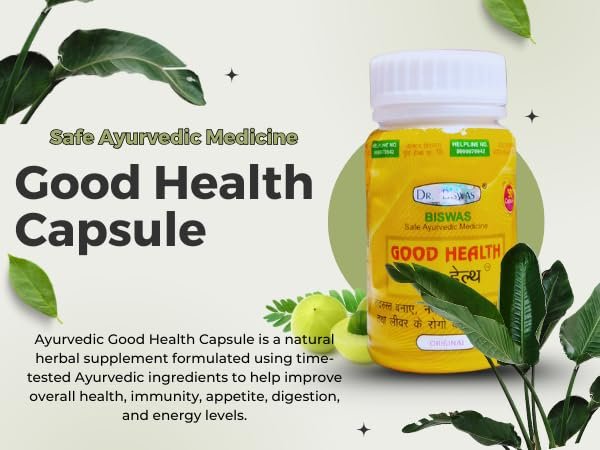
Staying healthy can be challenging when people deal with low energy, poor appetite, and constant weakness. Many individuals struggle with weight loss, fatigue, and digestive problems because of busy routines and unhealthy eating habits. A common solution many people explore today is the good health capsule, a herbal supplement designed to support appetite, energy, and overall body strength. This guide explains everything you need to know about good health capsule benefits, uses, price, side effects, and how to identify the original product.
What Is Good Health Capsule?
The good health capsule is a herbal health supplement commonly known as Dr Biswas Good Health Capsule. It is made using natural Ayurvedic ingredients that are traditionally used to improve digestion, increase appetite, and strengthen the body.
Many people use this supplement to improve overall wellness and restore physical energy. It is particularly popular among individuals who experience weakness or difficulty gaining weight.
Common purposes of the capsule
- Improve appetite
- Support healthy weight gain
- Increase energy levels
- Reduce body weakness
- Improve digestion
Because of its herbal composition, it is often considered a natural alternative for people who want to improve their health without synthetic supplements.
Good Health Capsule Uses in Hindi (good health capsule uses in hindi)
Many users search for good health capsule uses in hindi to better understand how the supplement works.
Main uses
- Helps reduce body weakness
- Improves appetite
- Supports healthy weight gain
- Improves digestion
- Increases body energy
- Strengthens immunity
These capsules are commonly used by people who suffer from fatigue, low appetite, or difficulty maintaining a healthy body weight.
Good Health Capsule Benefits
The good health capsule benefits come mainly from the herbal ingredients used in the formula. These herbs support digestion, metabolism, and energy production.
1. Improves Appetite
One of the main reasons people use this supplement is to increase appetite. When appetite improves, the body can absorb more nutrients from food.
2. Helps With Healthy Weight Gain
Underweight people often struggle to gain weight due to poor digestion or low appetite. The capsule supports better digestion, which may help the body gain healthy weight.
3. Boosts Energy and Strength
Herbal ingredients help support metabolism and improve the body’s energy levels. This can reduce fatigue and tiredness during daily activities.
4. Improves Digestion
A healthy digestive system helps the body absorb nutrients effectively. The supplement may support liver and digestive functions.
5. Supports Immune Health
Some herbal ingredients used in the capsule are traditionally known for supporting immune health and protecting the body from infections.
Good Health Capsule Ke Fayde
If we talk about good health capsule ke fayde, this supplement may support several aspects of health.
Key benefits include
- Reduces body weakness
- Supports healthy weight gain
- Improves stamina and body strength
- Enhances digestion
- Provides nutritional support
- Helps improve overall wellness
Many users consider it a natural herbal option for improving general health and physical strength.
Ingredients in Dr Biswas Good Health Capsule
The effectiveness of dr biswas good health capsule comes from its herbal composition.
Common herbal ingredients
- Ashwagandha
- Brahmi
- Shatavari
- Amlaki
- Anantmul
- Draksha
- Jatamansi
- Shilajit
These herbs have long been used in traditional Ayurvedic medicine to support digestion, improve strength, and increase vitality.
How to Use Good Health Capsule
Using the supplement correctly is important for achieving the best results.
Recommended dosage
- Usually 1 capsule twice a day
- Take it after meals
- Consume with water or milk
- Continue use for 1–3 months for better results
However, consulting a healthcare professional before starting any supplement is always recommended.
Good Health Capsule Side Effect
Although the supplement is herbal, some people may experience mild side effects.
Possible good health capsule side effect
- Digestive discomfort
- Mild bloating
- Allergic reactions
- Excessive weight gain
These side effects are not common and may vary depending on a person’s body type and dosage.
Good Health Capsule Side Effects in Hindi
People also search for good health capsule side effects in hindi to understand possible risks.
Possible side effects
- Gas or stomach heaviness
- Headache
- Allergic reactions
- Unwanted weight gain
If any unusual symptoms appear, it is recommended to stop using the capsule and consult a doctor.
Good Health Capsule Original vs Fake
Since the supplement is popular, fake versions may also be available on the market. Identifying the good health capsule original product is important for safety.
How to identify the original product
- Check the brand name on the packaging
- Look for a sealed container or security sticker
- Ensure the expiry date is clearly printed
- Buy only from trusted medical stores or reliable online sellers
Buying from verified sources helps ensure product authenticity and safety.
Good Health Capsule Price
The price of the good health capsule may vary by location, store, and packaging.
Average price range
- Around ₹150 for 50 capsules in India
- In some online stores the price may vary depending on shipping or promotions
Always check multiple sellers to compare prices before purchasing.
Who Should Avoid Good Health Capsule?
Even though the supplement is herbal, some individuals should avoid using it without medical advice.
People who should consult a doctor first
- Individuals with heart disease
- People with high blood pressure
- Diabetes patients
- Pregnant or breastfeeding women
A healthcare professional can help determine whether the supplement is safe for individual use.
FAQs
1. What is good health capsule used for?
It is mainly used to improve appetite, support healthy weight gain, increase energy levels, and strengthen the body.
2. Is Dr Biswas Good Health Capsule safe?
It is a herbal supplement, but it should still be used responsibly and preferably under medical guidance.
3. How long does good health capsule take to work?
Some users may notice improvements in appetite and energy within 3 to 4 weeks, while full benefits may take 2 to 3 months.
4. Can good health capsule help with weight gain?
Yes, many people use it to support healthy weight gain by improving appetite and digestion.
5. What is the price of good health capsule?
The average price is around ₹150 for a bottle of 50 capsules, but it can vary depending on the seller.
Conclusion
The good health capsule is widely used as a herbal supplement to support appetite, digestion, and overall body strength. Products like Dr Biswas Good Health Capsule are often chosen by people who want a natural solution to improve energy levels and achieve healthy weight gain.
However, supplements should always be used carefully. It is important to buy the good health capsule original product from trusted sellers and follow the recommended dosage. When combined with a balanced diet, proper sleep, and regular physical activity, this supplement may help support better overall health and wellness.

Professional Curtain Cleaning & Sofa Cleaning in Singapore by Duo Nini

How Loan Software for Lenders Simplifies Loan Management

The Role of Greenhouse Gas Reporting Software UAE in Corporate Reporting

Complete Beginner’s Guide to What Is CFD Trading in 2025

Latest Boys Fashion: Trends Every Young Man Should Follow

The 5 Best AI Tools for Image & Video Creation in 2025
Professional Curtain Cleaning & Sofa Cleaning in Singapore by Duo Nini
How Loan Software for Lenders Simplifies Loan Management
The Role of Greenhouse Gas Reporting Software UAE in Corporate Reporting

The Growing Importance of Explosives Trace Detector Systems in Smart Security

Microsoft Dynamics 365 Deployment Solutions for Businesses in UAE
-
Business1 year ago
Complete Beginner’s Guide to What Is CFD Trading in 2025
-
Lifestyle2 years ago
Latest Boys Fashion: Trends Every Young Man Should Follow
-
Business1 year ago
The 5 Best AI Tools for Image & Video Creation in 2025
-
 Business9 months ago
Data Science Classes for Beginners with No Coding Background
-
 Technology7 months ago
Top 7 Data Science Courses for Job-Ready Analytics and AI Roles in 2026
-
 Technology1 year ago
The Techno Tricks: Unlocking the Future with Cutting-Edge Innovation
-
 Technology7 months ago
SEO by HighSoftware99.com – Rank Higher Today
-

 Business7 months ago
8 White Floor Tile Design Ideas for Modern Homes