
Lifestyle
The Best Metals for Men’s Wedding Rings: Gold, Platinum, and More

Introduction
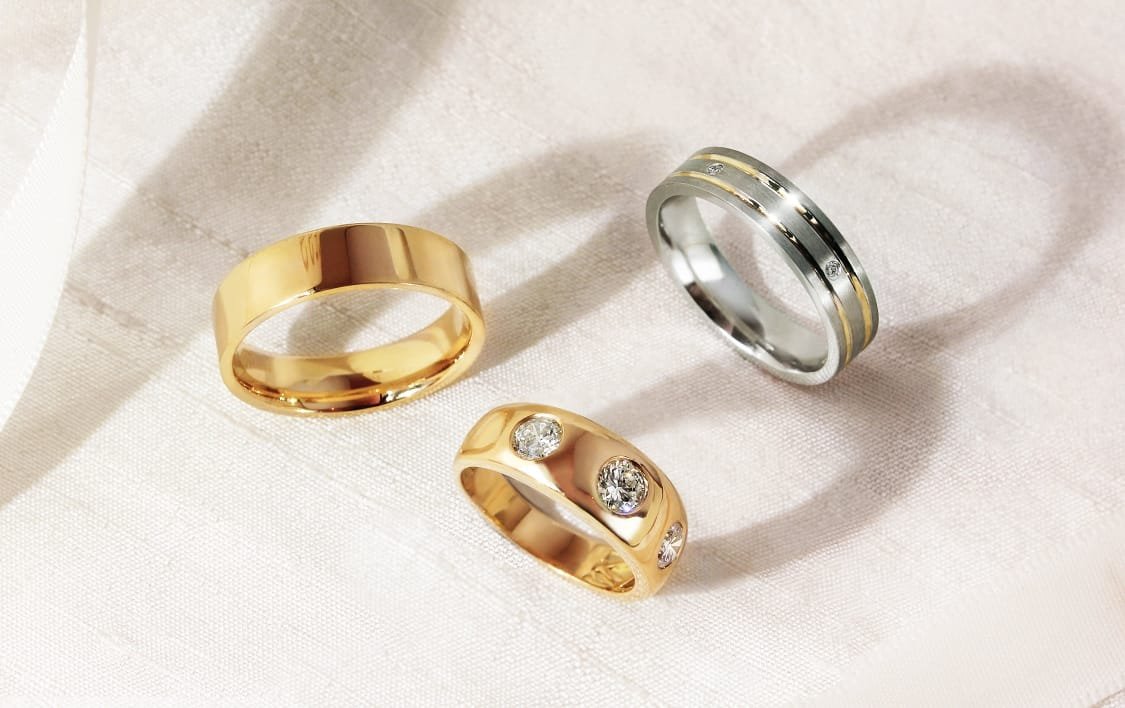
In selecting the appropriate wedding band, males are provided with several metal choices, thereby enjoying many advantages. Of them, the platinum wedding rings for men are worth considering to be versatile, fashionable and long lasting. But gold and other metals are perfect as options that reflect individual taste, life, and pocket.
Platinum: The Ultimate Symbol of Durability and Luxury
Men’s wedding bands are amongst the most purchased items made from platinum, for a number of reasons. Popular for its superior hardness, platinum is one of the toughest materials that is commonly used in the industry. Unlike other metals that are frequently used, platinum is rather durable, and can be easily worn out; on this basis, it would be suitable for everyday use.
One of the main benefits of platinum wedding rings for men is its hypoallergenic characteristic, so desirable for those with skin sensitivity issues. Despite the fact that platinum is much more expensive as compared to other metals, they are durable enough to prove the money’s worth. If taken good care of, a platinum ring can last for a lifetime and still look as new as much as one would desire.
Gold: Classic and Versatile
The use of gold in wedding bands has been popular for ages. It has different sizes, ranging from yellow, white, and rose gold versions, which has its own look. Yellow gold is warm and classic, while white gold is smooth and modern in appearance as is platinum. Rose gold which brings a soft pink tinge to the jewelry is slowly gaining popularity with man due to the unique design.
Sometimes gold is combined with other metals to improve its hardness; among wearing capacities there are 14K and 18K. It is less durable as compared to platinum yet it can be more versatile and it is highly possible to be personalized. For the man that wants an old-world feel with a touch of the new-fashion, gold rings are the best bet.
Titanium: Lightweight and Durable
Due to its relatively low density and high strength Titanium has become widely used for men’s wedding rings. The two major factors include scratch resistance and corrosion, which perfectly suits those engaging in physical activities or using their hands in their working places. Nonetheless, they are comfortable to wear as they are composed of the feather-light metal that, in this case, is titanium.
Titanium is also relatively cheap compared to other metals such as platinum and gold, yet it will give people a more modern style. However, it cannot be adjusted so precision of its size must be achieved when buying a titanium ring.
Tungsten: The Scratch-Resistant Option
Tungsten is on the list of the hardest materials used for the wedding rings. The unique qualities of this substance make it stay polished for as long as it will take someone to scratch it deliberately. Tungsten rings are usually popular in today’s styles and comparatively cheap, so it is convenient for men who are searching for a strong and beautiful wedding band.
Nevertheless, tungsten voltage drops and their erasing capabilities are not of ideal efficiency. It is very hard and resistant to wear though it is also very brittle and will break or chip under pressure. Wearers of tungsten rings cannot resize them; they have to get the exact fit like the case with titanium.
Palladium: The Affordable Luxury
Palladium, the other stunning metal for men’s wedding rings, is of many related properties with platinum though slightly cheaper. Similarly to platinum, palladium is characterized by being white, hypoallergenic, and wearing especially well. It also has fewer ounces of gold, which may be perfect for individuals who don’t like using a very heavy ring.
Why Choose Platinum Wedding Rings for Men?
Despite such benefits as the lightweight of gold, corrosion resistance of titanium or tungsten carbide, or the rarity of palladium, platinum has remained the preferred material for a traditional male wedding band. It is even more luminous than diamond and it can resist the rigors of daily wear while still maintaining its shine, in addition, it is hypoallergenic, making it perfect for those planning to purchase couples wedding rings.
Conclusion
Choosing the right metal for a wedding band is very important in regard to the person’s desire, activity level and available finances. No matter if you decide upon gold, titanium, tungsten, and palladium also have their advantages, but platinum wedding rings for men are annually popular because nothing can be compared with the comfort, durability and super-entice. for such staples as Gold Wedding Bands, Titanium or Tungsten, your selection will be a reflection of your love and dedication.

Many game maker online finish their project and notice something is not quite right. The graphics look clean, the colors match the theme, and everything appears polished, yet the game does not feel fun to play. Players start strong but lose interest after a few minutes. This common problem happens when the game looks right on the surface, but the underlying experience has small issues that break the flow. In games that create new content quickly, these hidden problems appear more often because generated levels can change spacing, timing, or difficulty in unexpected ways. The good news is that you can identify and fix these feel issues with clear observation and simple adjustments. This guide explains the main reasons a game can feel wrong even when it looks fine and shows practical steps to make it more satisfying. Follow these methods and your game will not only look good but also feel smooth, rewarding, and enjoyable from start to finish.
Why the Game Can Feel Wrong Despite Good Looks
A game feels wrong when the actions do not match what players expect or when small delays and inconsistencies break their immersion. Even with nice art, the experience falls flat if movement feels floaty, rewards arrive too late, or difficulty changes suddenly between generated areas. Players judge a game by how it plays moment to moment. If jumping does not give the right sense of weight, or if collecting an item happens without any satisfying response, the fun disappears, even though the screen looks attractive. In generated games, the system sometimes places objects in ways that make intended paths awkward or timing feel off. These issues are often invisible during building but become obvious during actual play.
Fixing the feel requires focusing on the invisible parts of the game, timing, spacing, feedback, and flow, rather than changing the visible style. Small tweaks here create big improvements in player enjoyment.
Four Common Reasons the Game Feels Wrong
Look for these four frequent issues that make a good-looking game feel unsatisfying.
- Movement and Weight Problems: Characters or objects move without proper acceleration, deceleration, or impact, making actions feel light and unreal.
- Timing and Response Delays: Small waits between player input and on-screen results break the connection and make the game feel sluggish.
- Inconsistent Difficulty and Flow: Generated areas sometimes become too easy or too hard without warning, causing frustration or boredom.
- Missing or Weak Feedback: Actions happen without clear confirmation, so players do not feel the reward or impact of their choices.
Identifying which of these affects your game most helps you start fixing in the right place. Most projects have a mix of two or three issues that work together to create the wrong feeling.
Checking How the Game Actually Feels
Play your game as a complete beginner would, without knowing how it was built. Go through several generated sessions and pay attention to your own reactions. Does the character respond exactly when you expect? Do successes feel good or just okay? Do you ever feel confused about what to do next even though the visuals are clear?
Take notes on specific moments that feel off. Write down the exact action, the generated situation, and why it bothered you. Test both short and longer play sessions because some problems only appear after ten or fifteen minutes. Ask a few friends to play without your guidance and listen carefully to their honest comments. They often notice feel issues that you have stopped noticing after working on the game for weeks. These fresh observations give you clear targets for improvement.
Improving Movement and Weight
Movement forms the foundation of how a game feels. When a character starts and stops too abruptly, or jumps in a straight line instead of a natural arc, the action loses its sense of life. Add a short acceleration at the beginning of runs and a gentle slowdown at the end so movement has weight and momentum. For jumps, create a smooth upward curve and a natural fall that matches the height of platforms. Include a small squash effect when landing to show impact. These details make controls feel responsive and grounded even if the art style stays exactly the same. Test movement across different generated terrains. Adjust values slightly until the character feels consistent whether running on flat ground or navigating uneven generated platforms. Good movement makes the whole game feel better without any change to the visuals.
Fixing Timing and Response Issues
Timing problems create a disconnect between player action and game reaction. Make sure inputs are checked quickly and results appear within the same moment whenever possible. Reduce any unnecessary calculations happening at the exact time the player acts.
For example, when the player taps to jump, the character should leave the ground almost instantly. When collecting an item, the score or effect should update immediately. Small delays of even a tenth of a second can make the game feel wrong. Tightening these moments restores the direct connection that makes play satisfying. In generated games, test timing in both simple and crowded areas. Sometimes heavy generation work slows response in busy scenes, so spread that work across multiple frames or simplify background details during active play.
Four Key Areas to Adjust for Better Feel
Focus on these four important areas to turn a good-looking game into one that feels right.
- Player Connection: Ensure every input leads to an immediate and clear result so players feel in control at all times.
- Reward Rhythm: Create a steady pattern of small successes with satisfying feedback that keeps motivation high throughout each session.
- Natural Flow: Design smooth transitions between actions and generated sections so the game never feels choppy or interrupted.
- Difficulty Balance: Make sure the challenge increases gradually and fairly across different generated content so players always feel they have a fair chance.
Adjusting these areas brings the invisible polish that makes players enjoy the game longer and recommend it to others.
Balancing Difficulty Across Generated Content
Generated games can feel wrong when difficulty jumps without warning. One area might be too easy while the next becomes suddenly hard because of random object placement. Set gentle rules for spacing, speeds, and obstacle density so each new section stays within a comfortable range. Start with easier generated content for the first few minutes to build confidence, then gradually add more challenge. Include a few safer paths in every area so players who struggle can still progress. This balance keeps the game fair and fun, no matter how the content changes. Test many different generated versions and adjust the rules until most sessions feel similarly enjoyable. Players should feel smart and capable rather than lucky or unfairly challenged.
Adding Clear and Satisfying Feedback
Weak feedback is one of the biggest reasons a game feels wrong. When the player succeeds, show a quick visual flash, a rising number, or a short animation that celebrates the moment. When an action almost succeeds, give a gentle hint or soft effect that encourages another try. Make feedback match the importance of the action. Small collections can have a simple chime and glow, while bigger achievements can include a brighter burst and stronger sound. This clarity helps players understand the results of their choices and builds emotional investment in the game. Keep feedback fast and clean so it supports the action instead of slowing it down. Well-timed feedback turns ordinary moments into memorable ones.
Drawing Inspiration from a Real Game
A helpful way to understand the difference between looking good and feeling right is by playing Angels Quest. Notice how the simple actions feel smooth and rewarding, even as new areas appear. The movement, timing, and feedback work together to create an experience that feels enjoyable beyond its clean appearance. Use the same careful attention when adjusting the feel of your own game.
Preventing Future Feel Problems
Build better habits to keep the game feeling right as it grows. Test every newly generated feature for its effect on movement, timing, and feedback immediately after adding it. Play full sessions regularly rather than only checking short parts. Keep rules for spacing, speed, and difficulty clear and consistent so random generation stays within comfortable bounds. When something feels off during testing, fix it right away instead of hoping players will not notice. These practices save time and maintain a high-quality feel throughout development.
Wrapping Up the Solutions
Your game can look fine but still feel wrong because of issues with movement weight, timing delays, inconsistent difficulty, or missing feedback. By identifying the specific problems, improving movement and response, balancing difficulty across generated content, and adding clear feedback, you can create an experience that feels as good as it looks. Whether you build your games with Astrocade or other easy tools, these practical steps help you deliver satisfying gameplay that keeps players engaged. Start by playing your game with fresh eyes and noting the moments that feel off. Make one targeted adjustment at a time, test thoroughly, and continue until the game feels right. Players will stay longer, enjoy themselves more, and remember your game fondly when the invisible parts support the visible beauty. A game that feels correct creates stronger emotional connections and better word-of-mouth sharing. Take the time to fix these hidden issues and turn your good-looking project into one that truly feels great to play.

When it comes to building a reliable skincare routine, a few ingredients consistently stand out for their versatility and effectiveness. Niacinamide is one of them. Known for its ability to support the skin barrier and improve overall texture, this form of vitamin B3 has become a staple in modern skincare. Its appeal lies in how it addresses multiple concerns at once — without overwhelming the skin.
Whether you’re dealing with dryness, uneven texture, or sensitivity, niacinamide offers a balanced approach that fits easily into daily care.
Strengthening the Skin Barrier
The skin barrier plays a critical role in maintaining healthy-looking skin. It acts as a shield, preventing moisture loss while protecting against environmental stressors. When the barrier becomes compromised, skin can feel tight, irritated, or prone to redness.
Niacinamide helps reinforce this protective layer by supporting the production of key components that maintain barrier strength. A well-formulated niacinamide lotion can improve the skin’s ability to retain moisture over time, making it an excellent option for those experiencing dryness or sensitivity.
Pairing niacinamide with other hydrating products for skin enhances its effectiveness. While humectants draw moisture into the skin, niacinamide helps ensure that moisture stays where it belongs. This combination supports long-term comfort and resilience rather than providing only temporary relief.
Consistency is key. Using niacinamide regularly allows the skin barrier to strengthen gradually, which can reduce visible irritation and improve overall balance. Because it’s generally well tolerated, it integrates easily into both simple and more advanced routines.
Smoothing Uneven Texture
Beyond barrier support, niacinamide is often praised for its impact on texture. Uneven skin texture can result from dryness, clogged pores, or inconsistent cell turnover. By promoting a more balanced complexion, niacinamide contributes to smoother-looking skin over time.
For individuals managing multiple concerns, combining niacinamide with complementary ingredients can be effective. For example, azelaic acid is known for helping refine texture and support clarity. When used thoughtfully, these ingredients can work together to improve the look of uneven tone and roughness.
Niacinamide’s multitasking nature makes it appealing for those who prefer streamlined routines. Rather than layering multiple targeted products, incorporating one ingredient that addresses hydration, barrier strength, and texture can simplify daily care.
Ultimately, the benefits of niacinamide come down to balance. By strengthening the skin barrier and smoothing uneven texture, it helps create a healthier-looking complexion without unnecessary complexity. With regular use, niacinamide can support skin that feels more resilient, comfortable, and refined — making it a valuable addition to a wide range of skincare routine

Home renovation projects often involve tight timelines, budget constraints, and the need for practical design solutions. Among the many choices homeowners must make, selecting the right windows is a crucial decision that affects ventilation, natural light, energy efficiency, and overall aesthetics. In recent years, readymade aluminium windows have emerged as a preferred option for renovation projects, replacing traditional wood or steel alternatives.
This growing preference is not a trend driven solely by convenience. It reflects a shift towards durable, modern, and low maintenance materials that align with contemporary living needs.
Faster Installation for Renovation Timelines
One of the biggest reasons homeowners choose readymade aluminium windows during renovations is speed. Renovation projects often aim to minimise disruption, especially in occupied homes. Unlike custom-built window systems that require longer manufacturing and fitting periods, readymade options are produced in standardised sizes and configurations.
This allows for quicker installation with minimal structural changes. Faster installation not only reduces labour costs but also helps homeowners complete renovation projects within planned schedules.
Consistent Quality and Precision Engineering
Readymade aluminium windows are manufactured in controlled factory environments using precise engineering processes. This ensures uniform quality, accurate dimensions, and reliable performance across installations.
In renovation scenarios where wall openings already exist, such precision becomes critical. Properly sized aluminium frames reduce the risk of gaps, air leakage, and misalignment, resulting in better insulation and long term functionality.
Lightweight Yet Strong Material Advantage
Aluminium is known for its excellent strength-to-weight ratio. This makes it especially suitable for renovation projects, where adding excessive structural load is not ideal. Compared to traditional materials, aluminium frames offer strong support while remaining lightweight, reducing stress on existing walls and structures.
This strength also enables the creation of slimmer profiles, allowing for larger glass areas without compromising safety or stability, an important factor for homeowners seeking brighter, more open interiors.
Modern Aesthetic Appeal
Renovations are often driven by the desire to update a home’s look and feel. Aluminium window designs align well with modern architectural styles due to their clean lines and minimalist appearance.
From neutral finishes to darker contemporary tones, aluminium frames complement a wide range of interior and exterior design themes. Their sleek appearance makes them particularly popular in urban homes, apartments, and modern villas undergoing upgrades.
Versatile Design Options
Another reason homeowners favour aluminium for windows is the wide variety of functional styles available. Options such as aluminium sliding folding windows are especially popular in renovation projects where space optimisation is important.
These designs allow homeowners to connect indoor and outdoor spaces more effectively, improve ventilation, and enhance usability without requiring major structural changes. The flexibility of aluminium systems makes them suitable for living rooms, balconies, kitchens, and even commercial style residential spaces.
Low Maintenance for Long-Term Use
Renovation decisions are often influenced by long-term upkeep considerations. Aluminium windows require significantly less maintenance compared to wood, which can warp or require periodic polishing, or steel, which may be prone to corrosion.
Aluminium frames are resistant to rust, moisture, and termite damage, making them well-suited for varied climatic conditions. Simple cleaning routines are usually sufficient to maintain their appearance and performance over time.
Energy Efficiency and Comfort
Modern aluminium window systems are designed to support improved insulation when paired with appropriate glazing options. This helps reduce heat transfer, maintain indoor comfort, and potentially lower energy consumption.
For homeowners upgrading older properties, replacing outdated windows with newer aluminium systems can improve thermal performance and sound insulation, both key comfort factors in urban living environments.
A Practical Choice for Smart Renovations
Overall, the growing preference for readymade aluminium windows reflects a balance of practicality, durability, and contemporary design. Homeowners looking for the best aluminium windows for renovation projects often prioritise solutions that combine ease of installation with long term value.
Final Thoughts
As renovation trends continue to focus on efficiency, aesthetics, and durability, aluminium has firmly established itself as a reliable material choice.
Brands like Eternia Windows, known for premium aluminium window and door systems engineered for modern homes, exemplify how well designed aluminium solutions can meet the evolving needs of renovation focused homeowners.

Professional Curtain Cleaning & Sofa Cleaning in Singapore by Duo Nini

How Loan Software for Lenders Simplifies Loan Management

The Role of Greenhouse Gas Reporting Software UAE in Corporate Reporting

Complete Beginner’s Guide to What Is CFD Trading in 2025

Latest Boys Fashion: Trends Every Young Man Should Follow

The 5 Best AI Tools for Image & Video Creation in 2025
Professional Curtain Cleaning & Sofa Cleaning in Singapore by Duo Nini
How Loan Software for Lenders Simplifies Loan Management
The Role of Greenhouse Gas Reporting Software UAE in Corporate Reporting

The Growing Importance of Explosives Trace Detector Systems in Smart Security

Microsoft Dynamics 365 Deployment Solutions for Businesses in UAE
-
Business1 year ago
Complete Beginner’s Guide to What Is CFD Trading in 2025
-
Lifestyle2 years ago
Latest Boys Fashion: Trends Every Young Man Should Follow
-
Business1 year ago
The 5 Best AI Tools for Image & Video Creation in 2025
-
 Business9 months ago
Data Science Classes for Beginners with No Coding Background
-
 Technology8 months ago
Top 7 Data Science Courses for Job-Ready Analytics and AI Roles in 2026
-
 Technology1 year ago
The Techno Tricks: Unlocking the Future with Cutting-Edge Innovation
-
 Technology8 months ago
SEO by HighSoftware99.com – Rank Higher Today
-
 Business7 months ago
8 White Floor Tile Design Ideas for Modern Homes